


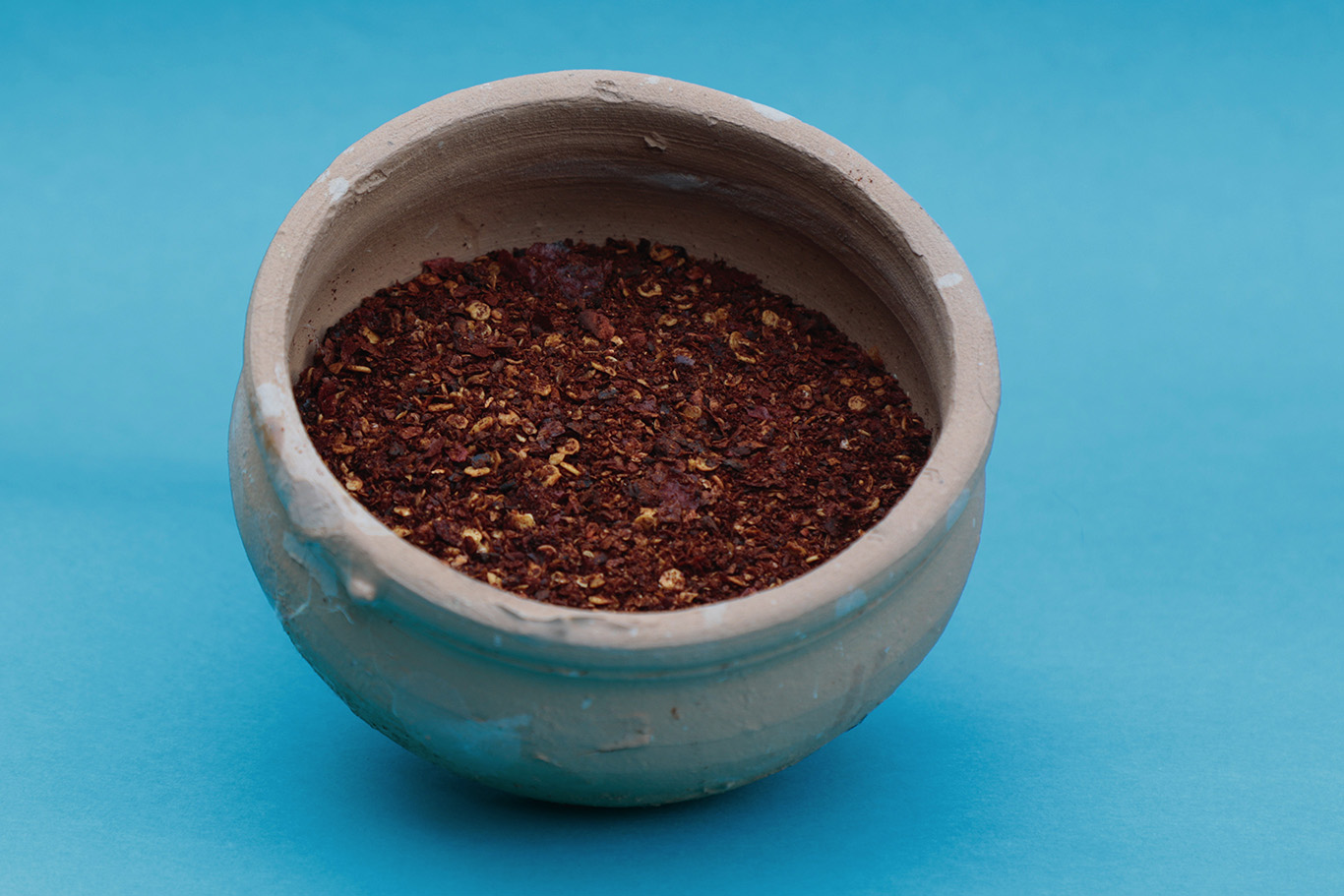
Peppers
They are one of the pilars of recados. They provide color, intensity, and aroma, a diversity of nuances that identify each recipe.
Una tradición culinaria viva con raíces en los pueblos originarios en Guatemala, que forma parte de la vida cotidiana y comunitaria.
It's a thick sauce based on ancient recipes, made with local ingredients typical of Guatemalan cuisine. It's an integral part of community life and embodies ancestral knowledge passed down orally among families.
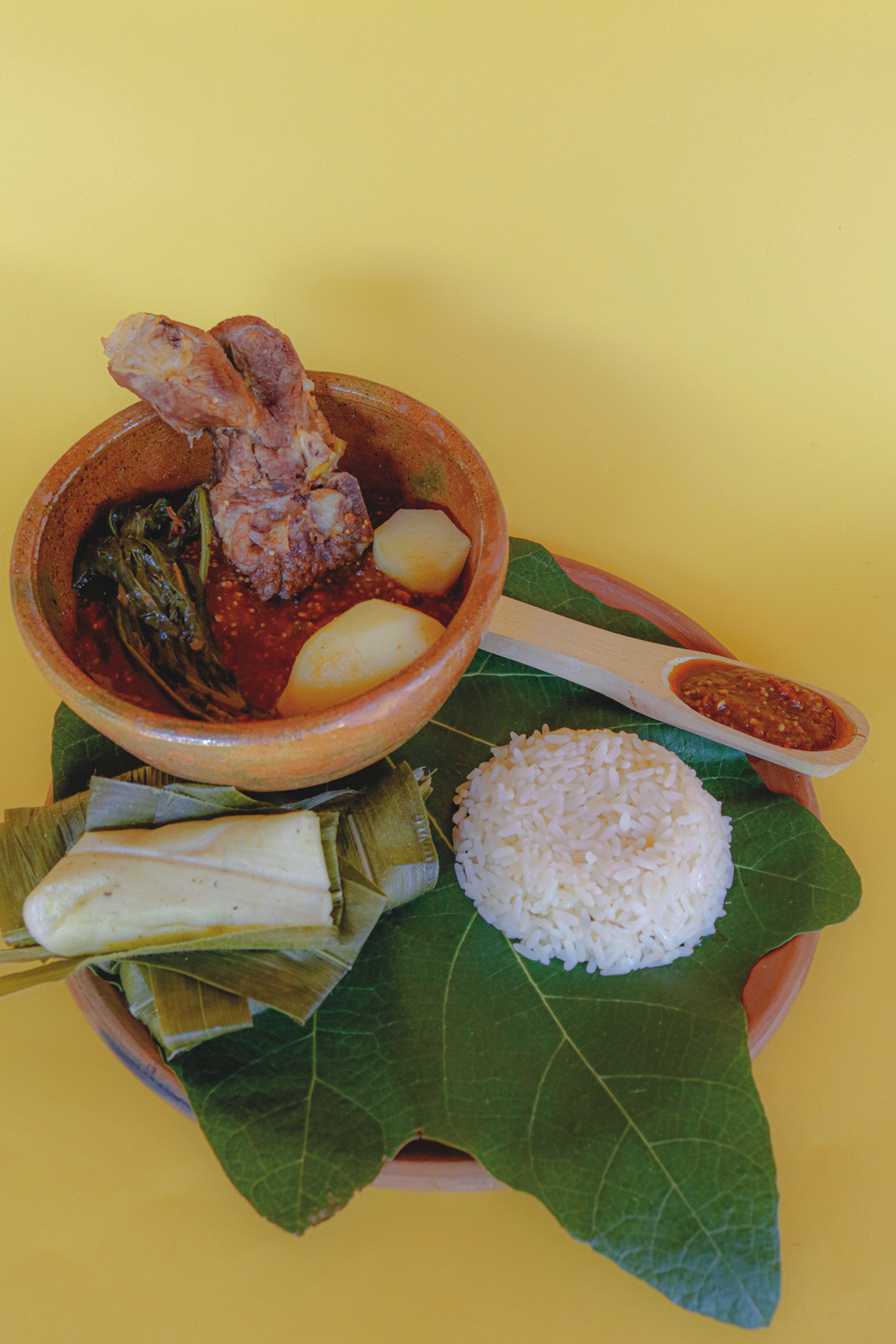
These recados are an expression of culture and a way of understanding food, community, and celebration. Each preparation brings together territory, memory, daily practices, and inherited knowledge, strengthening cultural identity.
El gusto profundo de los recados se debe, en gran parte, a ingredientes cuyos sabores están vinculados con conocimientos ancestrales sobre los cultivos, la producción y el respeto hacia la naturaleza expresado de forma ceremonial.
They are one of the pilars of recados. They provide color, intensity, and aroma, a diversity of nuances that identify each recipe.
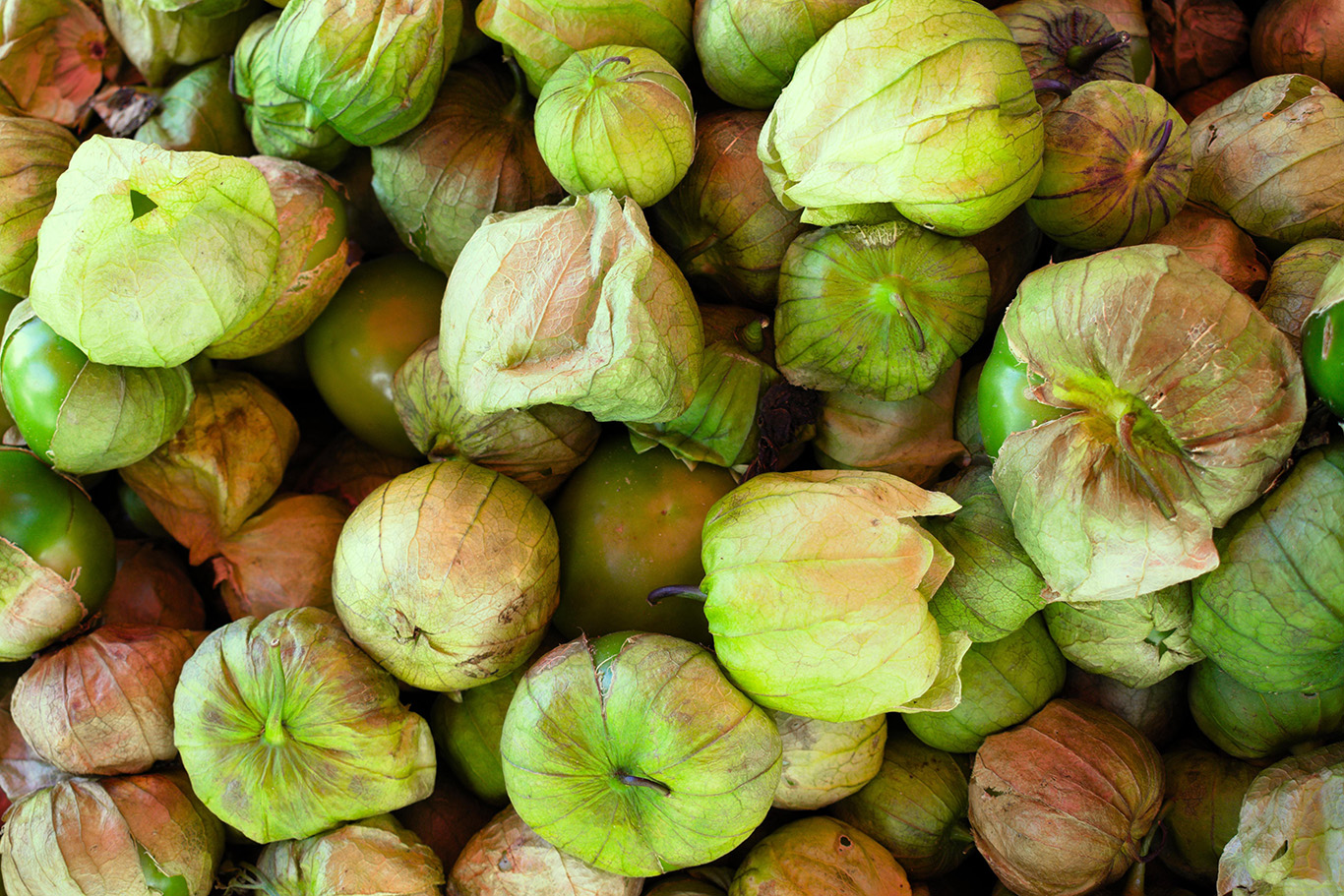
They add body and texture. They also bond to a profound connection between cuisine, agriculture and territory.
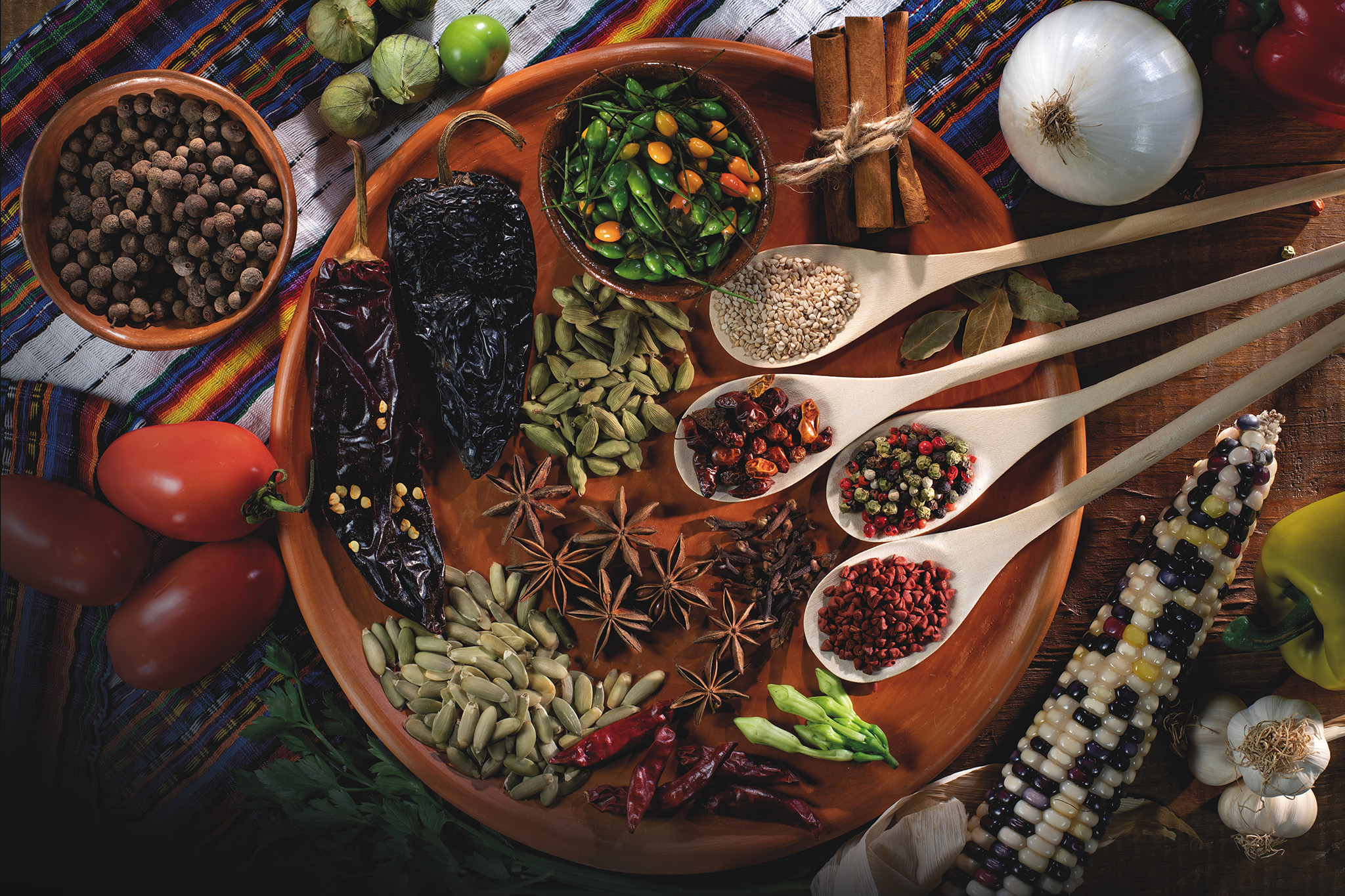
They reflect the syncretism and history of the peoples, with flavors from other territories that complement each dish.
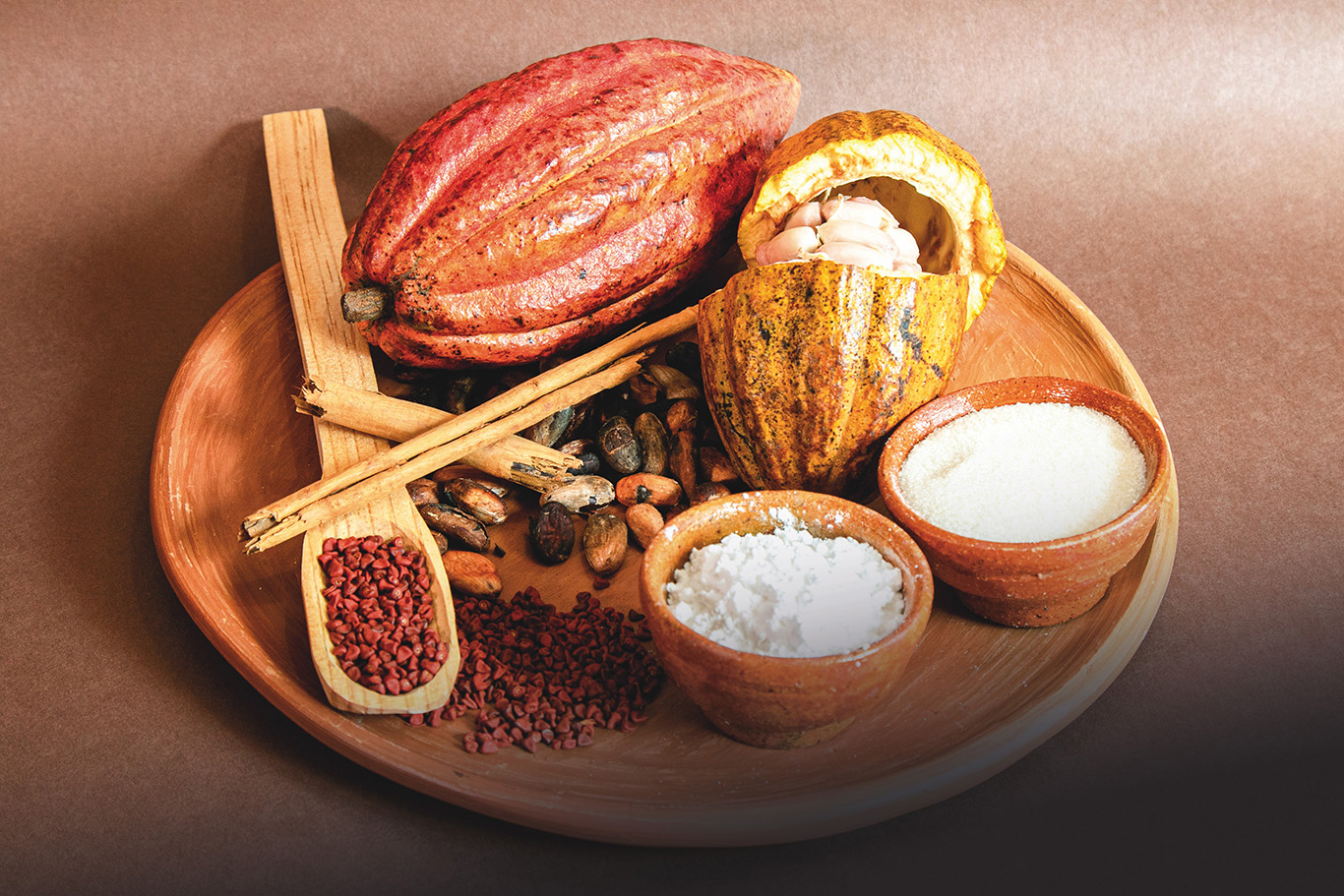
These dishes part from ancient techniques and flavors that fuse elements brought from other territories and had their own stories. This is why the recados are witnesses of Guatemala´s history.
Each dish keeps a particular way of mixing and seasoning. It is not just a recipe, but a way to organize knowledge to pass along to new generations.
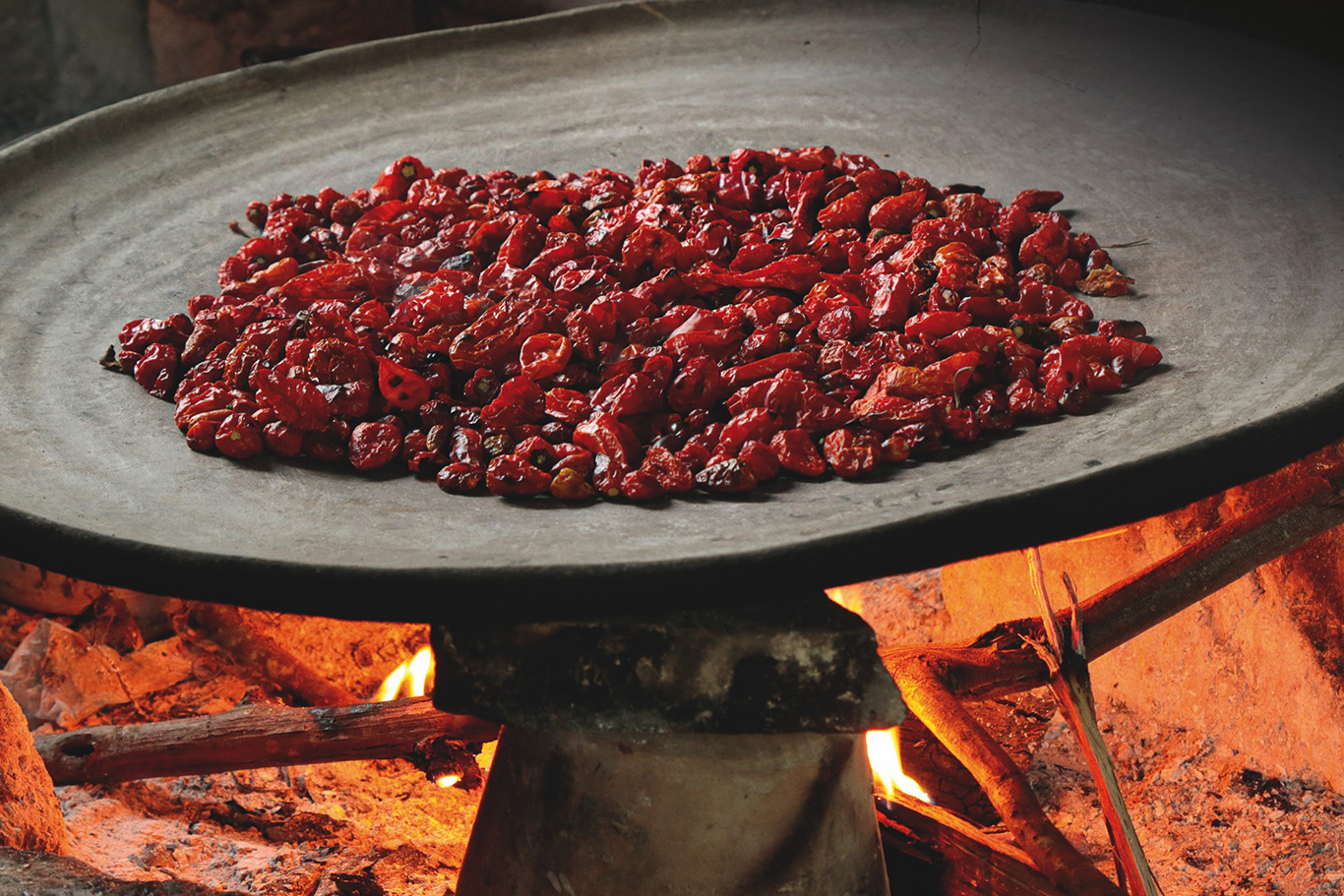
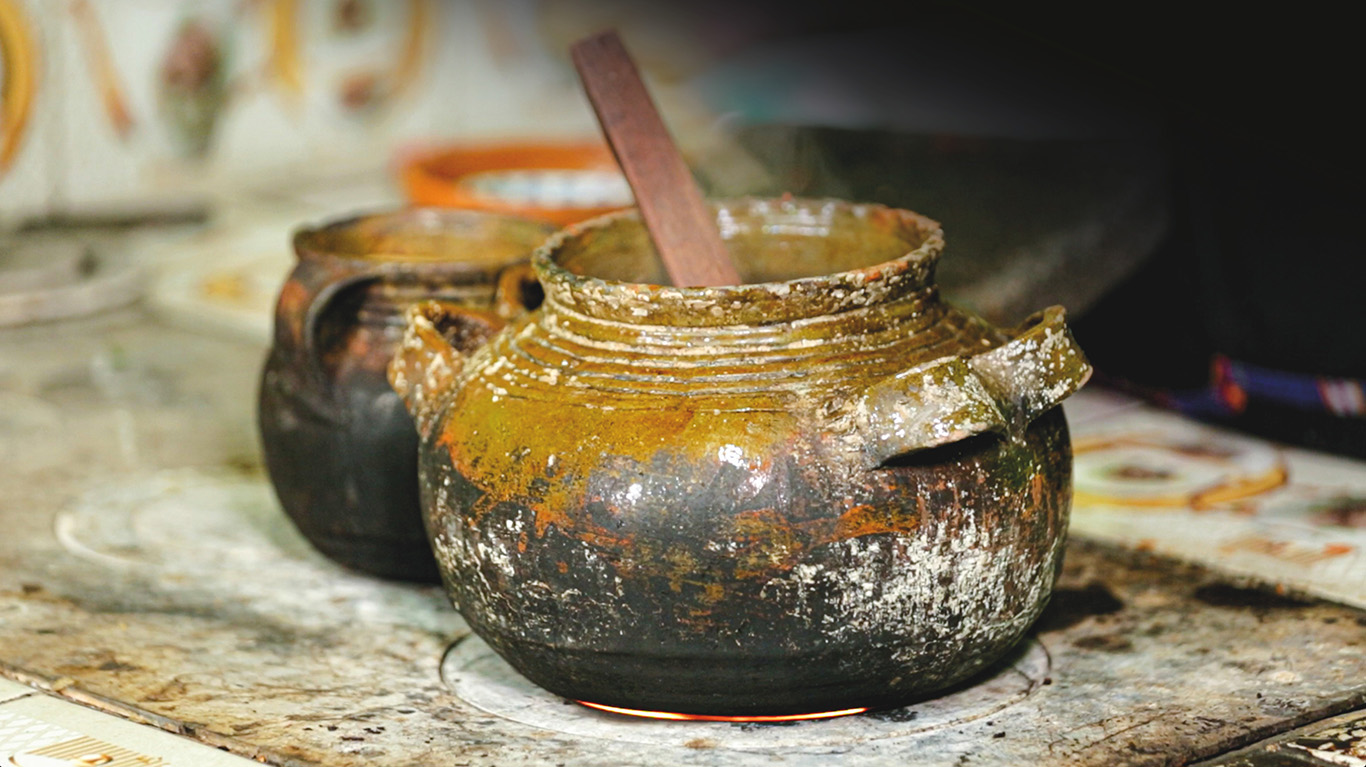
The fire transforms the ingredients and wake the aromas that give character to the recado.
The preparation of these spice blends involves techniques and processes that transform ingredients into deep flavors, intense aromas, and unique textures. Roasting vegetables, slow cooking in clay pots, using maxán leaves, and grinding spices on a stone all contribute to making each preparation a sensory experience.
Toast or roast ingredients like tomato, onion, peppers and spices intensifies flavors and aromas.
The grinding stone or molcajete allows you to extract the essence of the ingredients and create the characteristic textures of the recado.
Slow cooking over medium heat in clay pots and on beds of various leaves binds flavors and gives these dishes their distinctive taste.
The continuation of this tradition requires acknowledging the bearer communities, documenting their knowledge, and fortifying the structure that ensures its transition.
Propagate traditional knowledge and practices in community spaces.
Create regional recipe books with the support of communities and government entities.
Investigar la diversidad de la cocina y los saberes ancestrales de los pueblos originarios.
Heighten traditional cooking practices and culinary spaces in different communities across the country.
The recipes remain alive because they are prepared, taught, and shared. In every kitchen, family, and community, this knowledge strengthens Guatemala's cultural memory.
Explore tradicional recipes that are part of the memories and knowledges of the culinary identity of the Guatemalan communities.

This particular dish was first made by the indigenous Maya peoples. Its name comes from the Kaqchikel language, and it means "wrapped"...
View recipe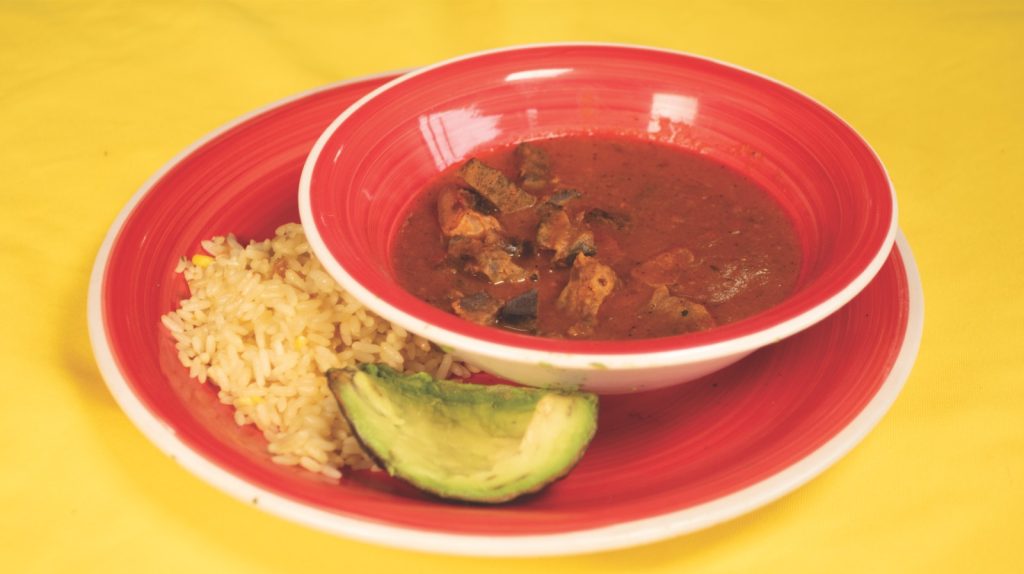
Revolcado is a clear example of culinary syncretism, the blending of pre-Hispanic and Spanish cooking traditions. It’s a combination of traditional cooking...
View recipe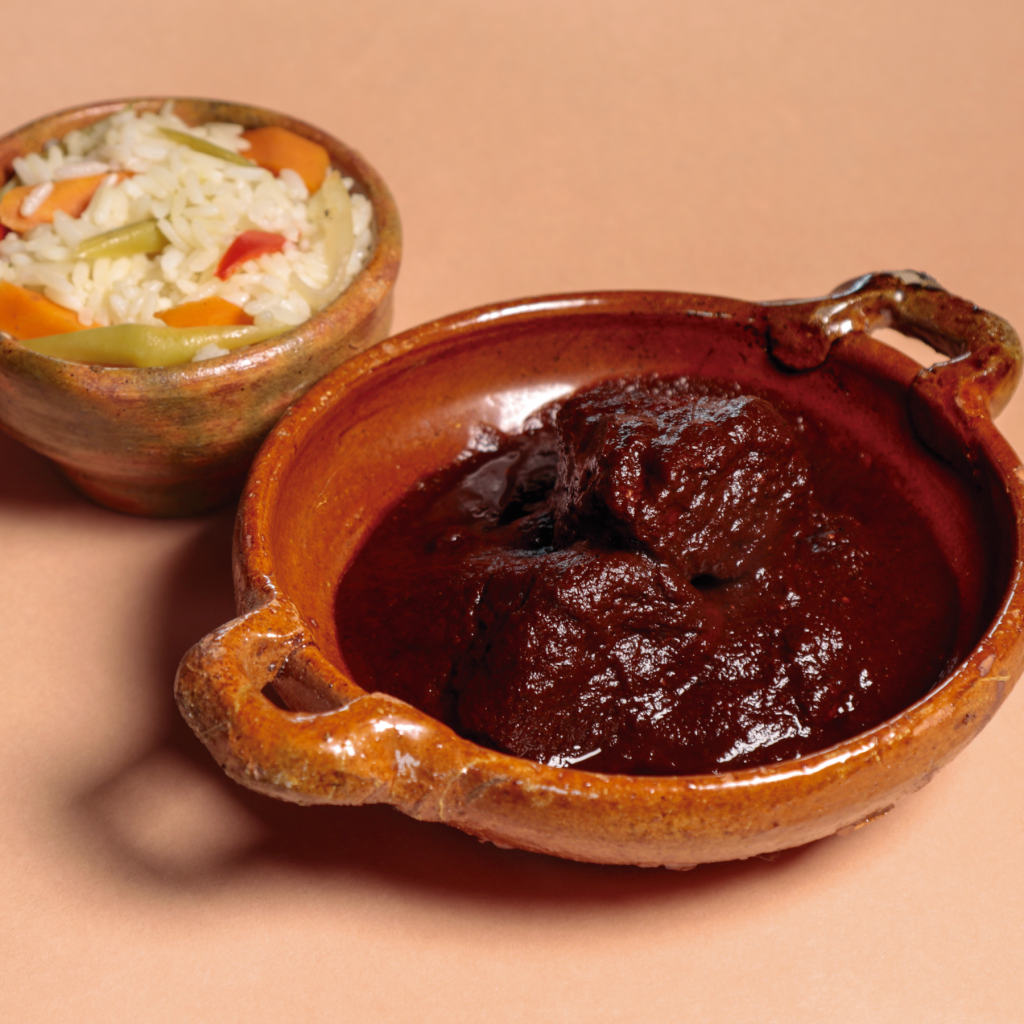
Quichom or Kichom is a recipe whose name refers to the «food made with ancho pepper (poblano pepper)» or «pepper food of...
View recipe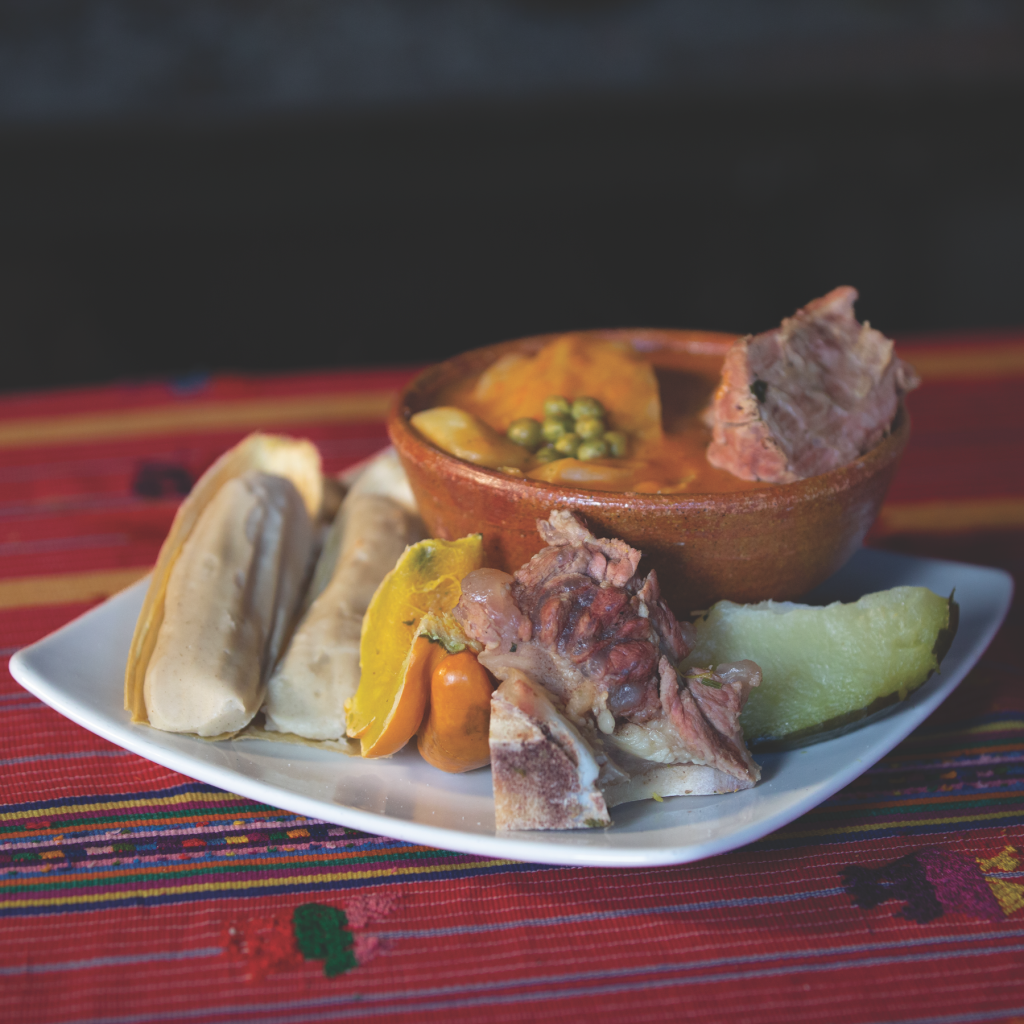
Pulique is a dish with great spiritual significance, used as an offering to the gods for the land´s fertility and the yearly...
View recipe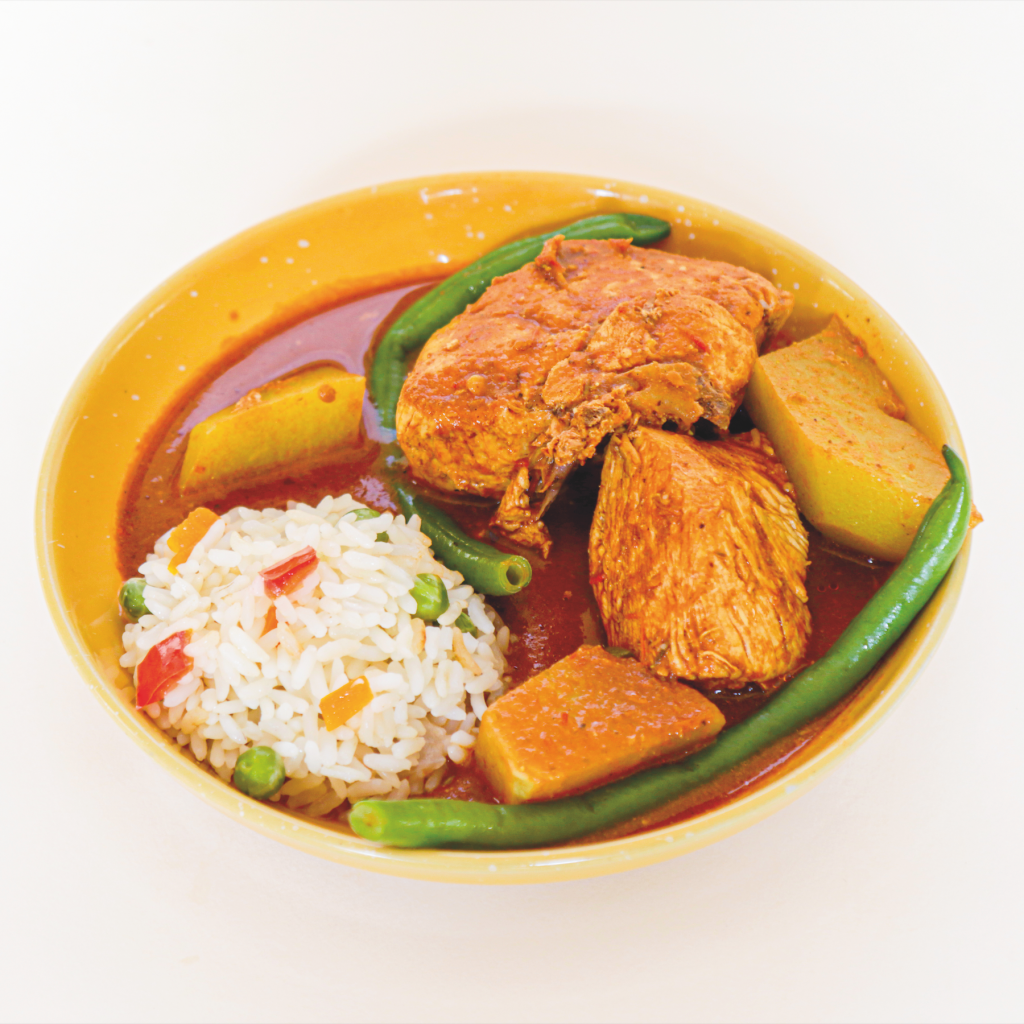
This ancestral dish has Kaqchikel roots. It's also called Iguashte. This thick sauce is prepared with roasted and ground pumpkin (ayote) seeds,...
View recipe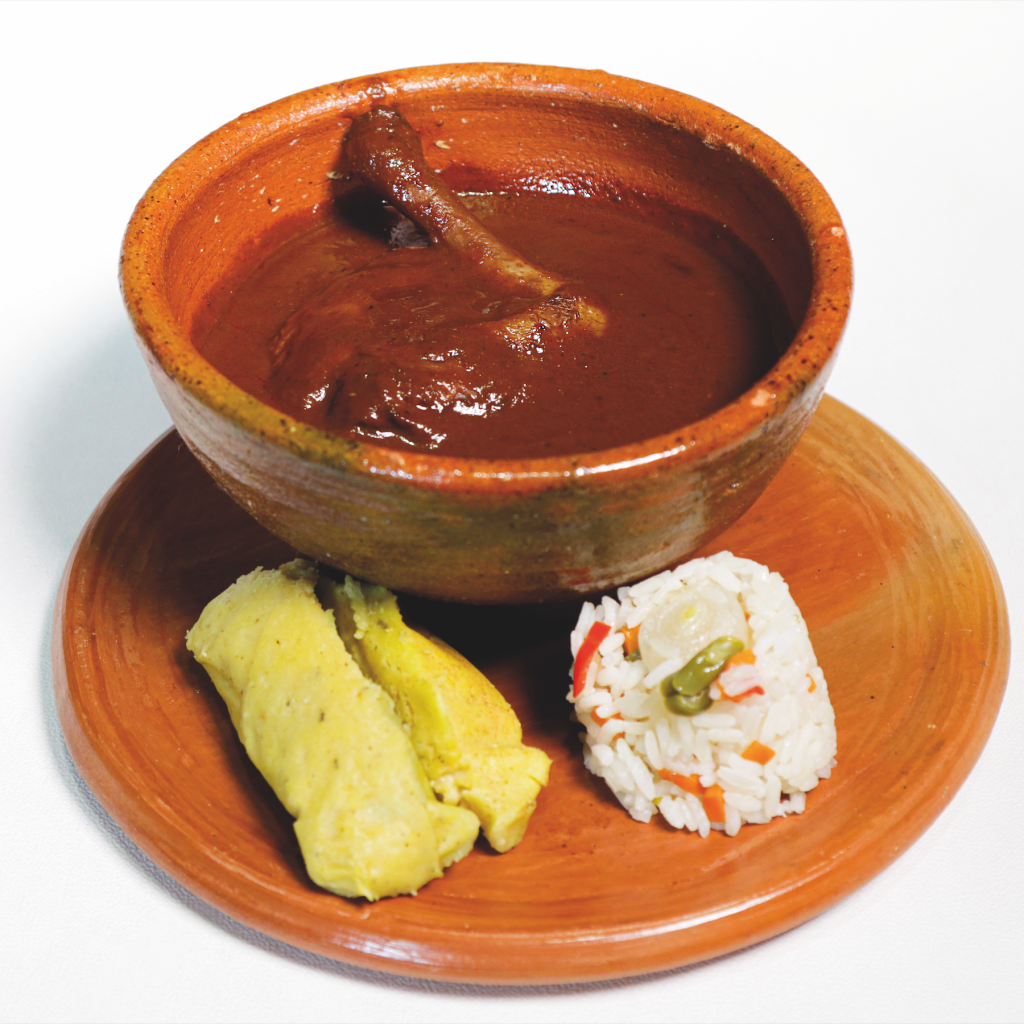
The name “mole” comes from the náhuatl word “molli” or “mulli”, which means “ground or pulverized”. This dish has its origins in...
View recipe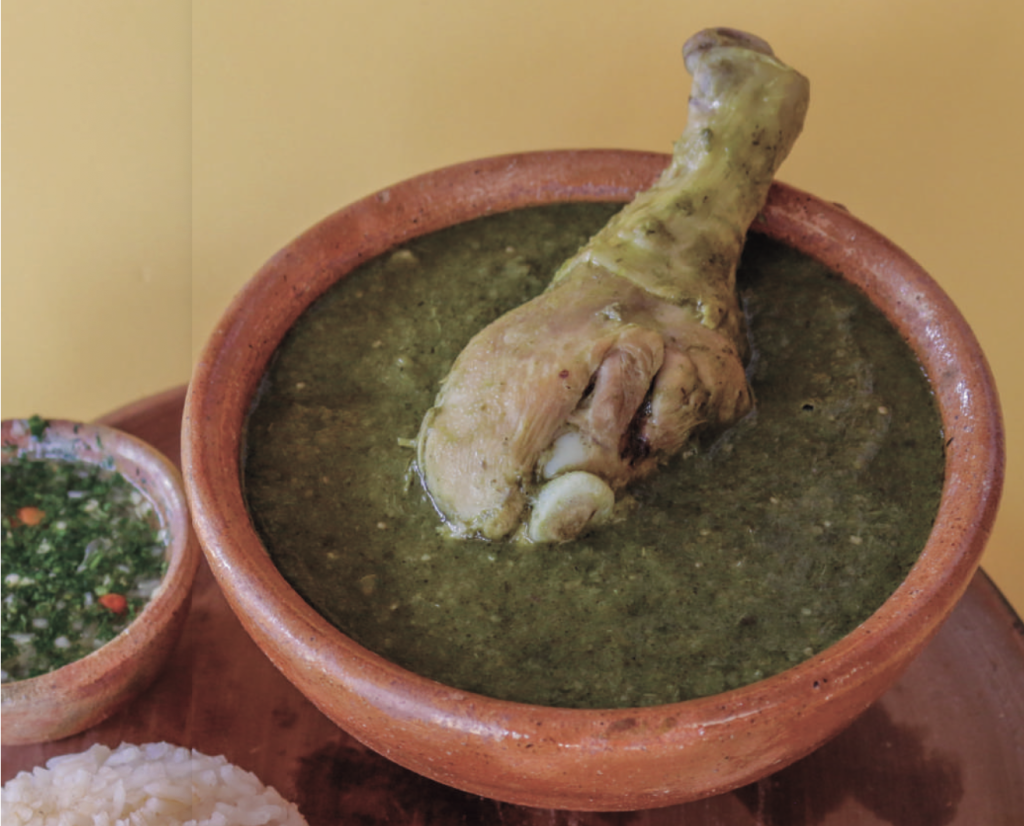
Jocón takes its name from the K'ich'e word jok om, meaning "five greens" or "green recado," a reference to the vibrant green...
View recipe
