


Regional nomination
Guatemala – Panama

A road to faith, identity and memory that unites Central America since 1595.
The Pilgrimage to the Black Christ of Esquipulas encompasses religious and cultural pilgrimages that have been celebrated since 1595. Its focal point is the city of Esquipulas, in Guatemala, but the devotion extends to communities of Central America and Mexico.
More than a religious celebration, it establishes a collective cultural manifestation that integrates oral tradition, music, art, gastronomy, and community practices inherited from generation to generation.
The dossier recognizes a living practice that transcends frontiers and organizes communities, territories, and shared memories.
Guatemala – Panama
Integrated technical and community documentation.
Review process before the relevant authorities.
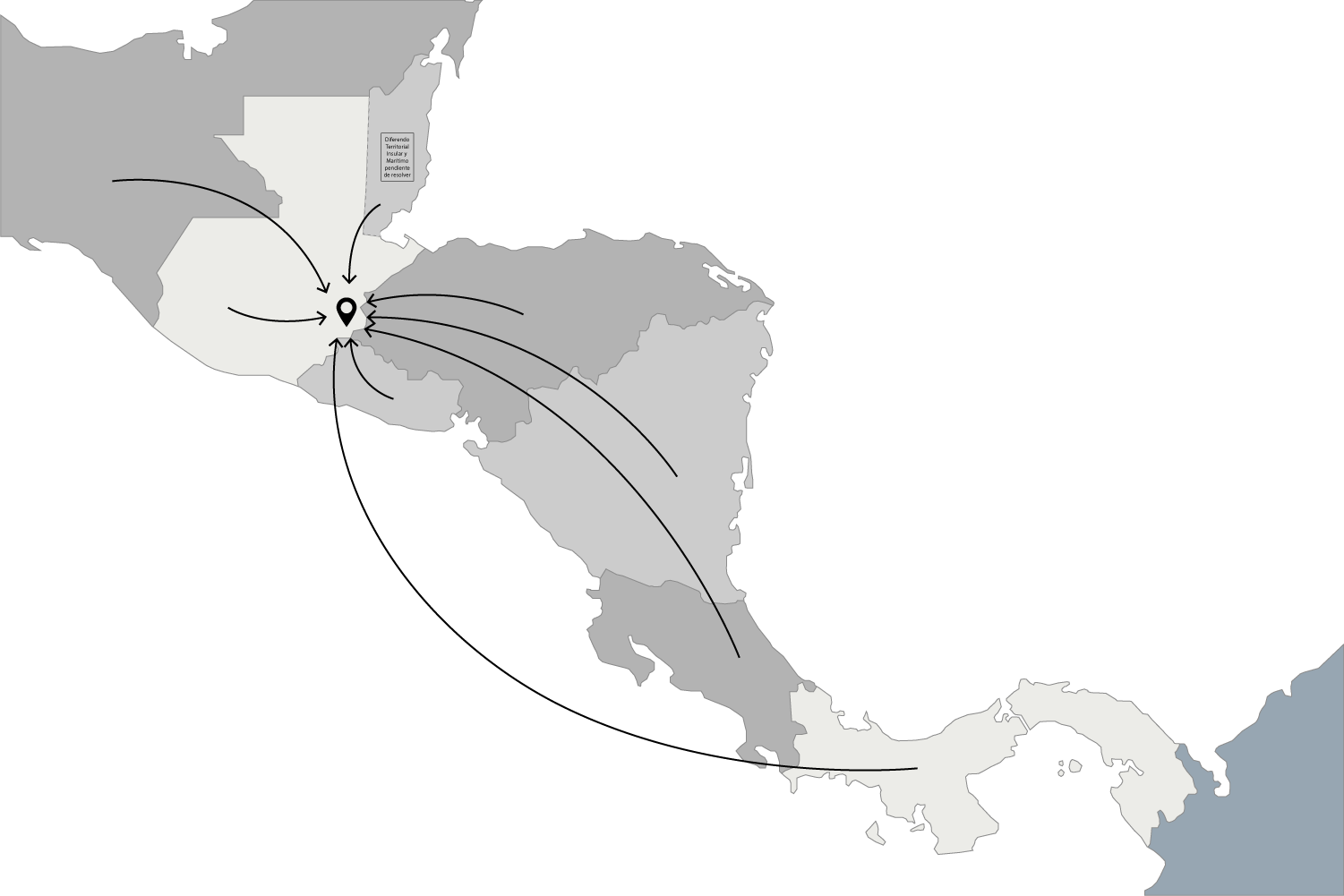
The Pilgrimage to the Black Christ of Esquipulas connects communities, pilgrimage routes and devotional expressions that have united different territories of Central America for generations.
Its regional character demonstrates how a practice of faith can also become a shared memory, cultural exchange, community identity, and a link between peoples.
The Pilgrimage brings together multiple cultural expressions that give shape to a collective experience of faith, identity, and belonging.
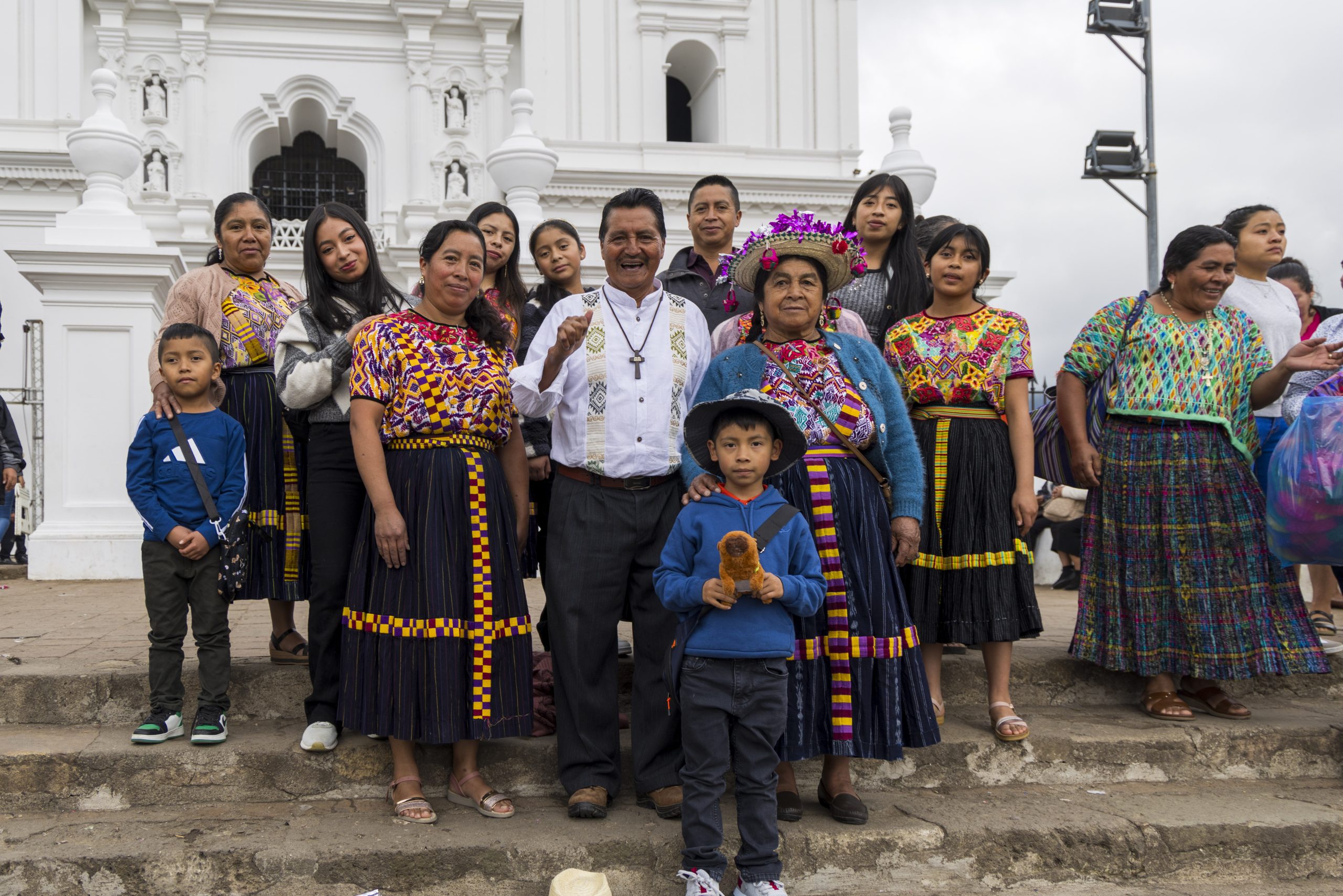
Prayers, novenas, family stories, and testimonies passed down between generations.
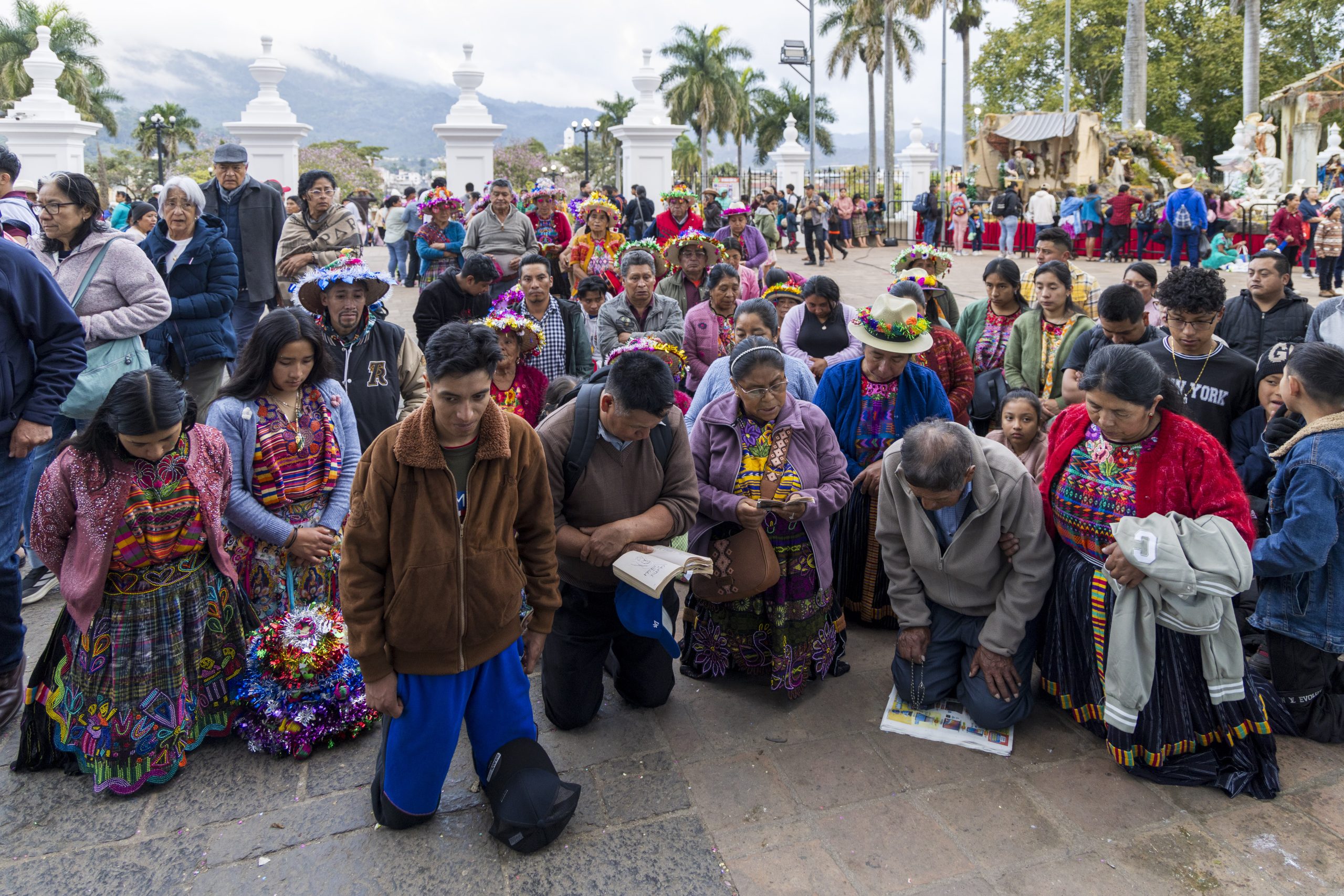
Traditional compositions and new devotional musical expressions.
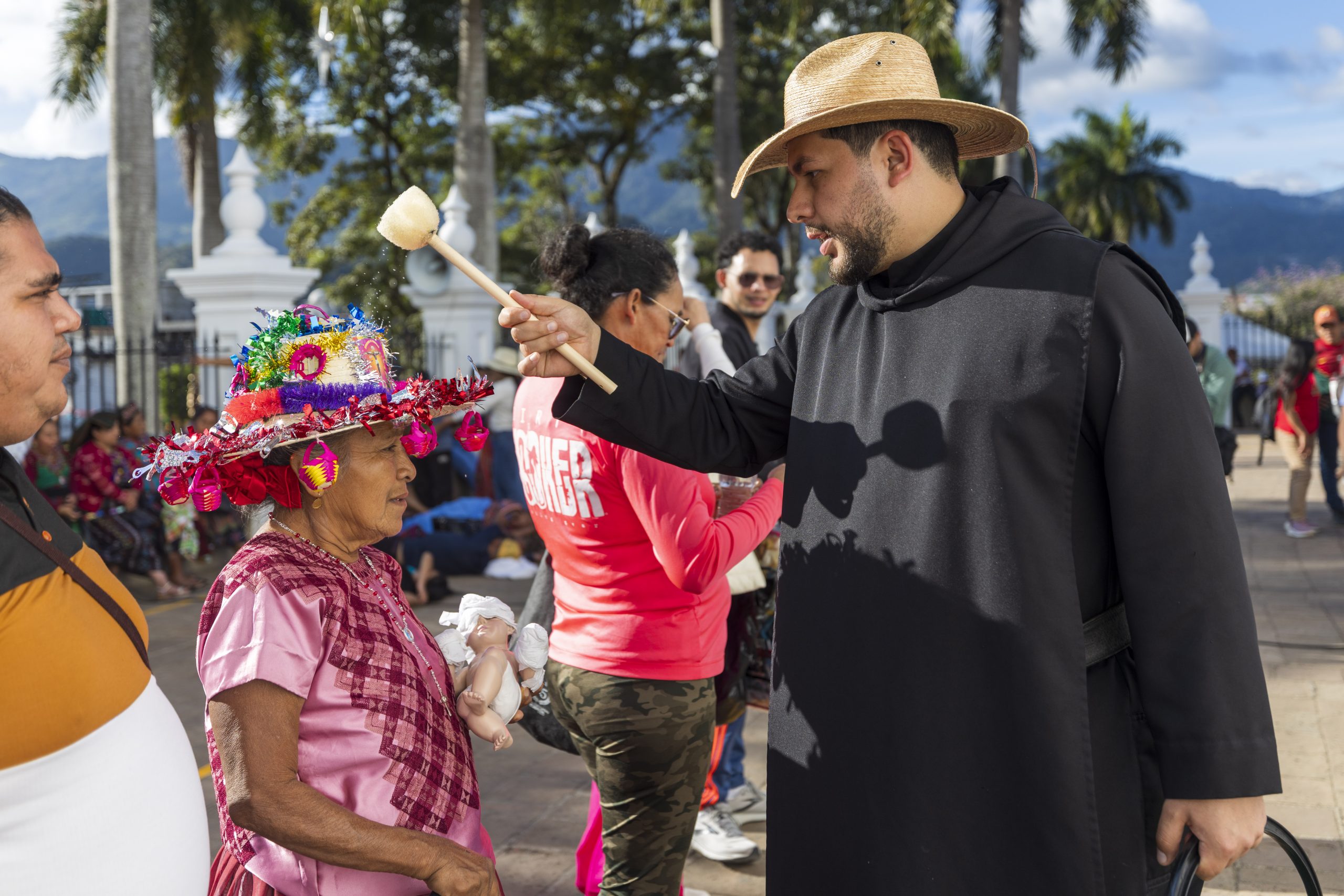
Hats, ribbons, religious objects, candles, and items related to the pilgrimage.

Paintings, sculptures, documents, poetry, and accounts inspired by the Black Christ.
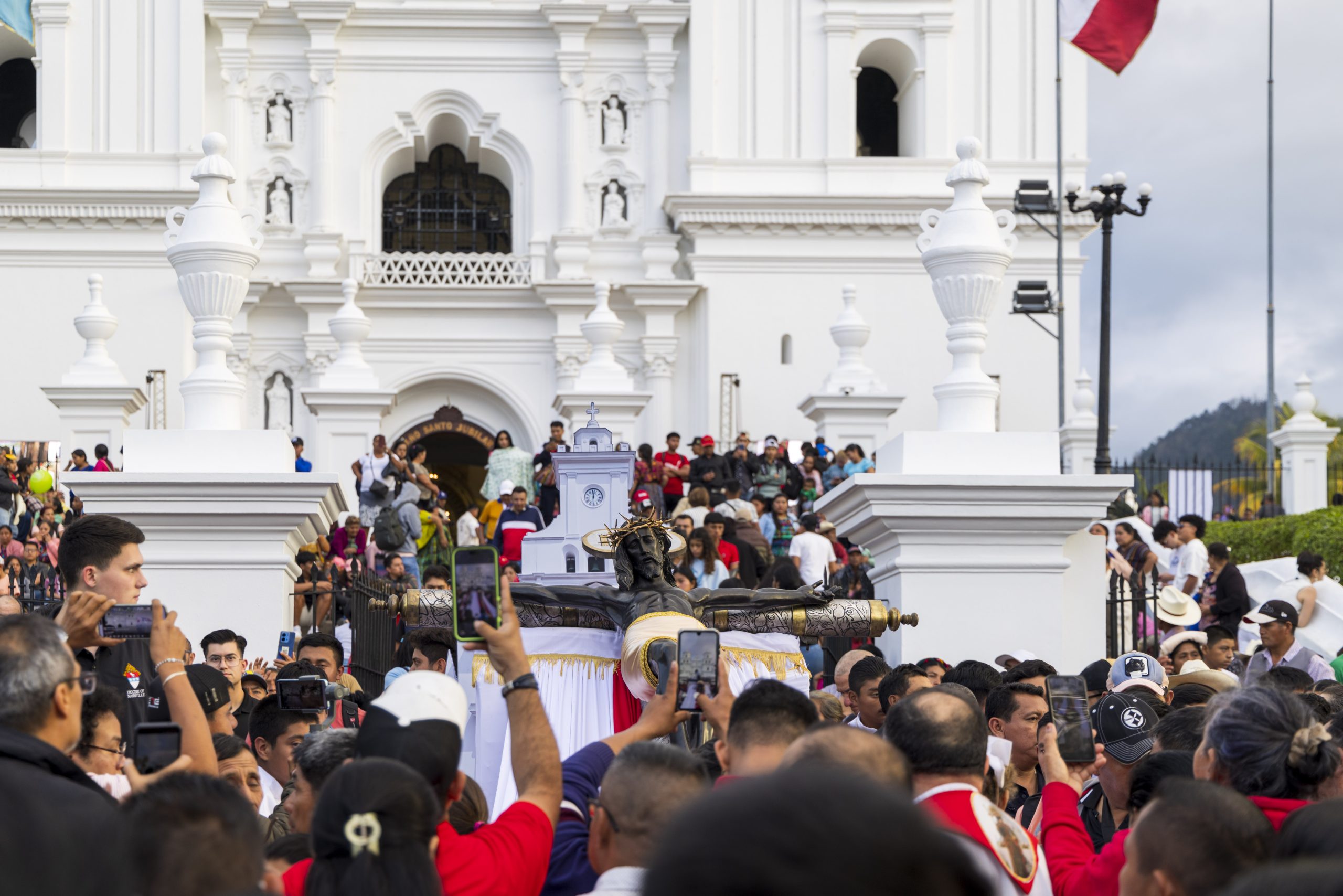
The pilgrimages are made possible by the active participation of organized communities: priests, friars, lay people, artisans, merchants, musicians, dancers, and entire families.
In Guatemala, Maya, Garifuna, Xinca, and Ladino peoples participate, transmitting this tradition from grandparents to children and grandchildren, strengthening the sense of identity and regional belonging.
The pilgrimage fortifies family and community bonds, promoting multicultural unity and respect.
It generates an inclusive economy through craftsmanship, cuisine, commerce, and traditional trades.
Allows Central American communities abroad to maintain a connection with their cultural roots.
Officially recognized in 2011, this cultural expression forms part of the country's intangible cultural heritage. Its regional nomination seeks to strengthen its safeguarding and highlight its importance as a living expression of human creativity and cultural diversity.
The bearer communities, along with cultural and religious institutions, develop actions to guarantee the intergenerational transmission of the tradition.
Annual community organizing of pilgrimages.
Participatory workshops with bearer communities.
Historic and audiovisual documentation.
Use of media and social networks to involve the youth.
The pilgrimages to the Black Christ of Esquipulas are a living expression of faith, culture, and shared identity. Their international recognition will strengthen the preservation of a tradition deeply rooted in Central America.