



Culinary knowledge and practices

Recado's glossary

Words, ingredients, utensils, techniques, and recipes that are a part of Guatemala’s culinary memory.

29 terms Culinary heritage Community memory
Words that preserve knowledge

To know is to also safekeep

This glossary gathers terms associated with recado recipes, ingredients, utensils, cooking techniques, and culinary expressions.

Each word preserves information about the territory, the communities, and the practices passed down from generation to generation.
29 available terms
Especias y condimentos tradicionales
A

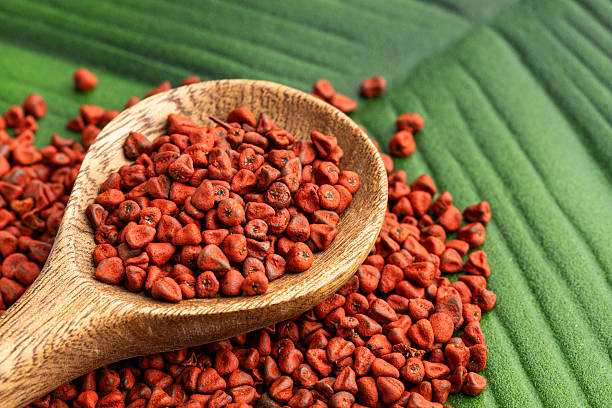
Achiote

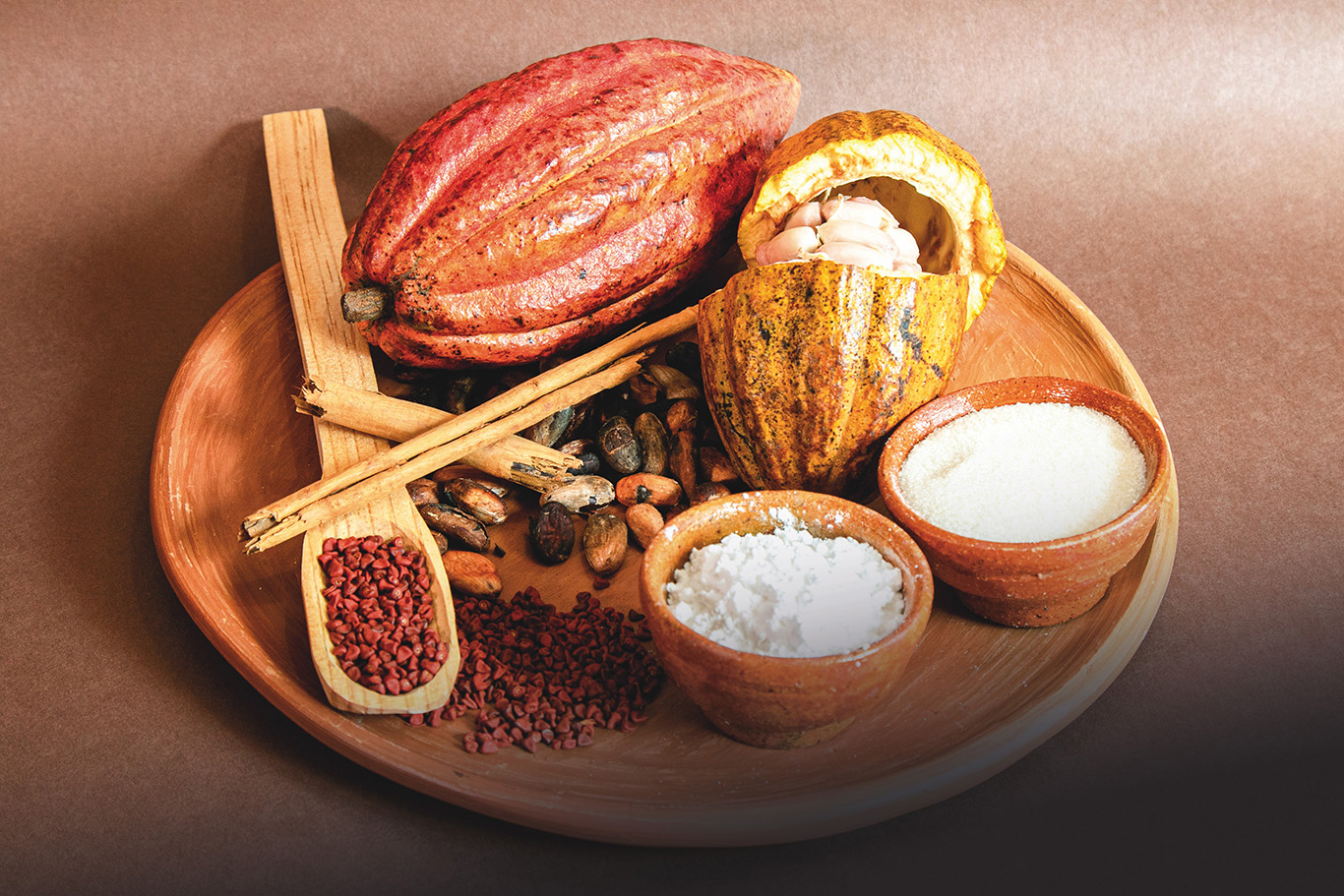
Product from the seeds of Bixa orellana, which has a distinct bright red color. In cooking, it is used to provide flavor and color to a dish. It must be ground or in paste before adding it to a recipe.
Dish made with pig's offal
C

Chanfaina

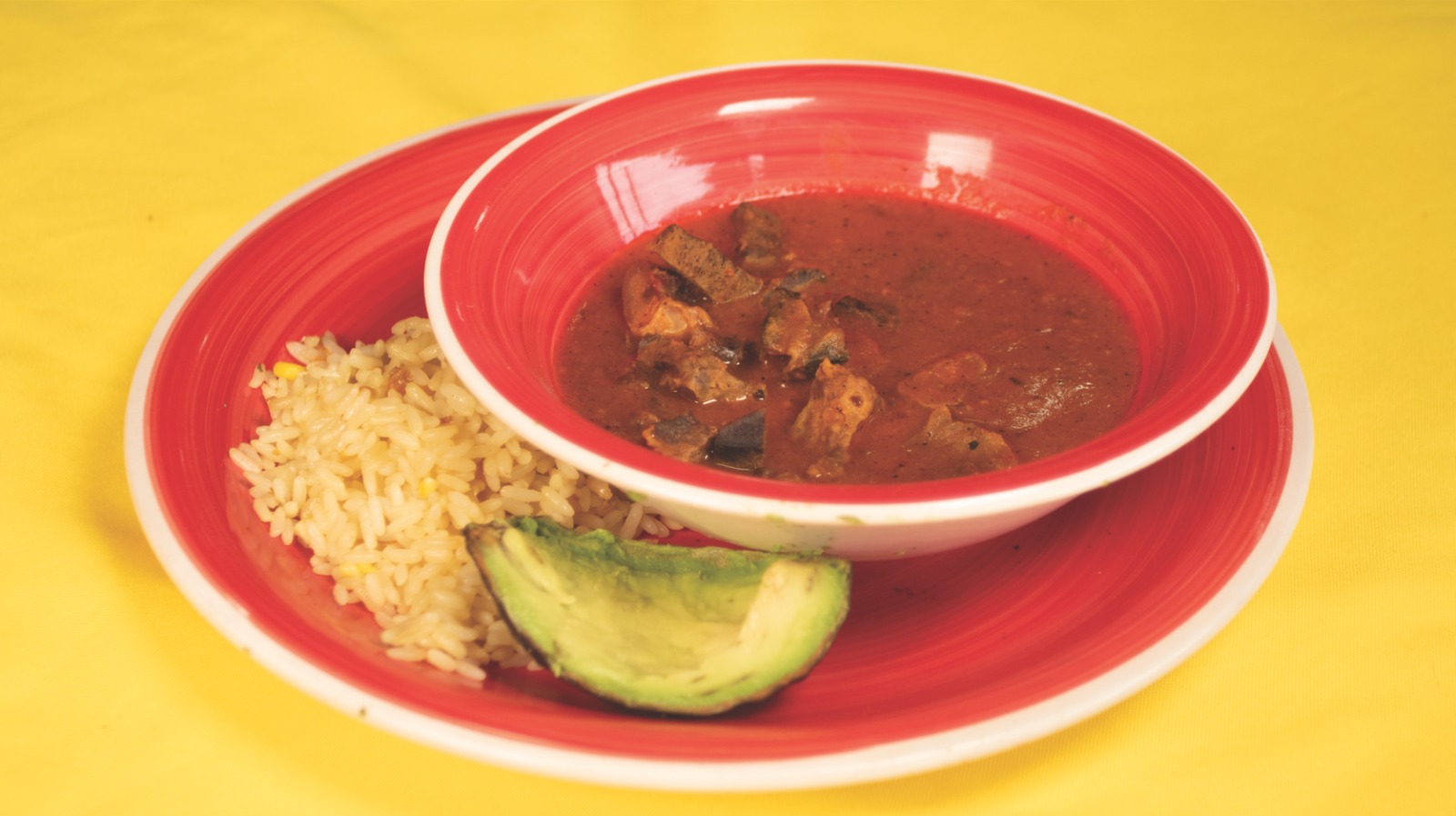
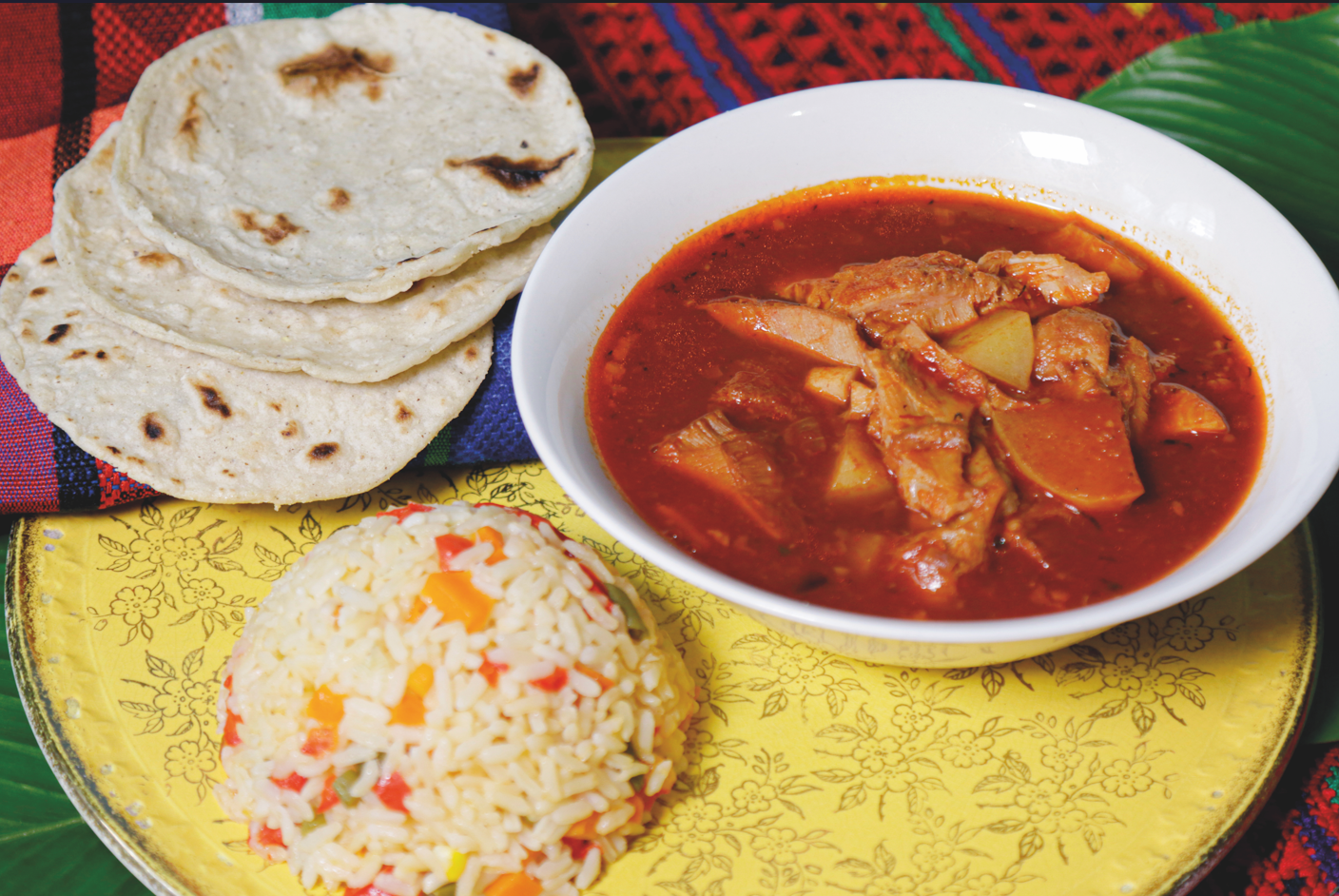
Dish based on pig’s offal, veru similar to revolcado due to the cooking process and ingredients used in the recado.
Cobanero peppers
C

Cobanero pepper

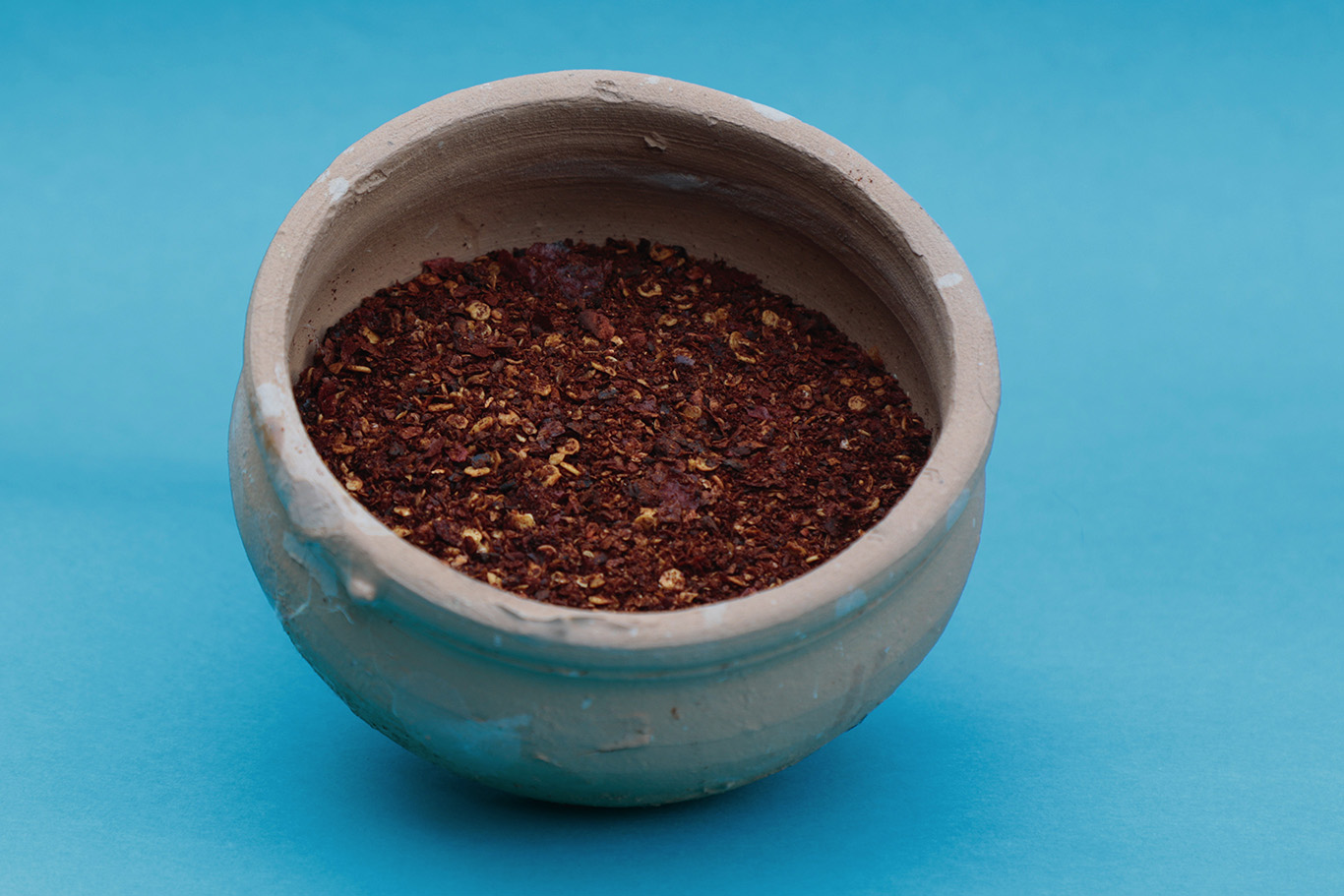
It is a variety of Capsicum annuum var. annuum and is named after the region where it is primarily cultivated: Cobán, Alta Verapaz, although its production also extends to other departments of Guatemala. Its flavor intensifies during the drying and smoking process.
C

Chiltepe pepper

This is considered a wild variety of pepper that belongs to the Capsicum annuum var. aviculare plant. It is a popular ingredient for its mild spiciness, which complements flavors without overpowering them.
C

Chocolate or seco pepper

The chocolate pepper is one of the varieties of the Capsicum annuum var. acuminatum. It highlights deep flavors, brightens the rich colors of the recados, and has a mild level of spiciness.
C

Chile guaque

This pepper variety is an essential ingredient in Guatemalan cuisine, with a distinct deep red color. It is harvested during the rainy season and left out to dry in the sun before being distributed to markets.
C

Chile pasa

Also known as black chile or prieto. It is another variety of Capsicum annuum that undergoes a drying process similar to that of raisins, which provides a dry, smoky flavor.
C

Chile zambo

This pepper is used very similarly to the cobanero pepper, and it has a mild level of spiciness.
C

Chirmol

A mix of vegetables and peppers, either raw or roasted, ground and dressed with lime juice. It can be served as a complement to meats.
C

Cibaque

Fiber from the cibaque plant, Cyperus canus J.S, is used to tie tamales and other dishes to keep them in place, avoiding the mixture from spilling during cooking. It’s also used to craft mats, baskets and other frequently used items.
C

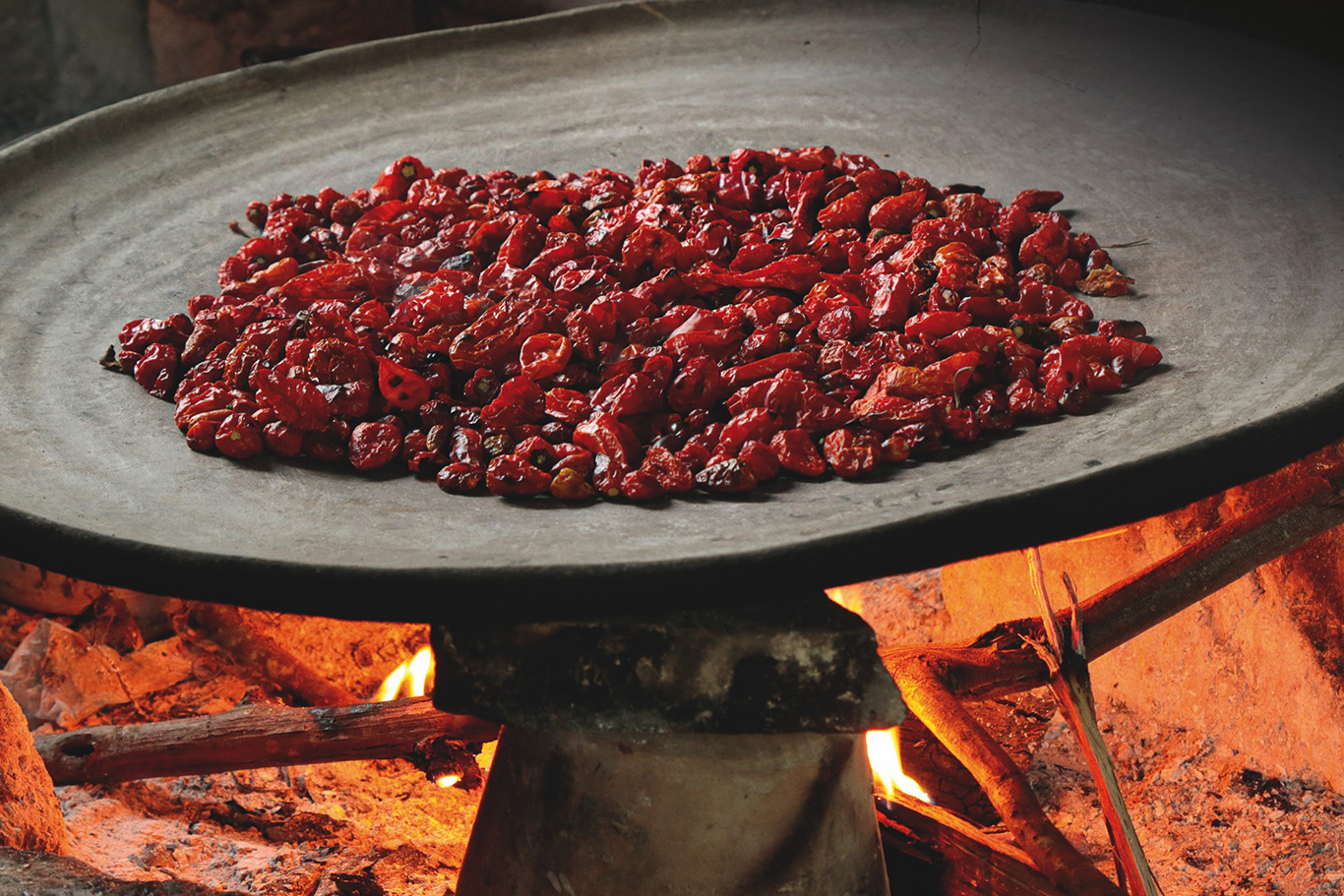
Comal

A griddle, usually round, made of clay or iron, which, when placed over a fire, distributes heat evenly across its surface. It is used for cooking tortillas and other foods.
E

Escudilla

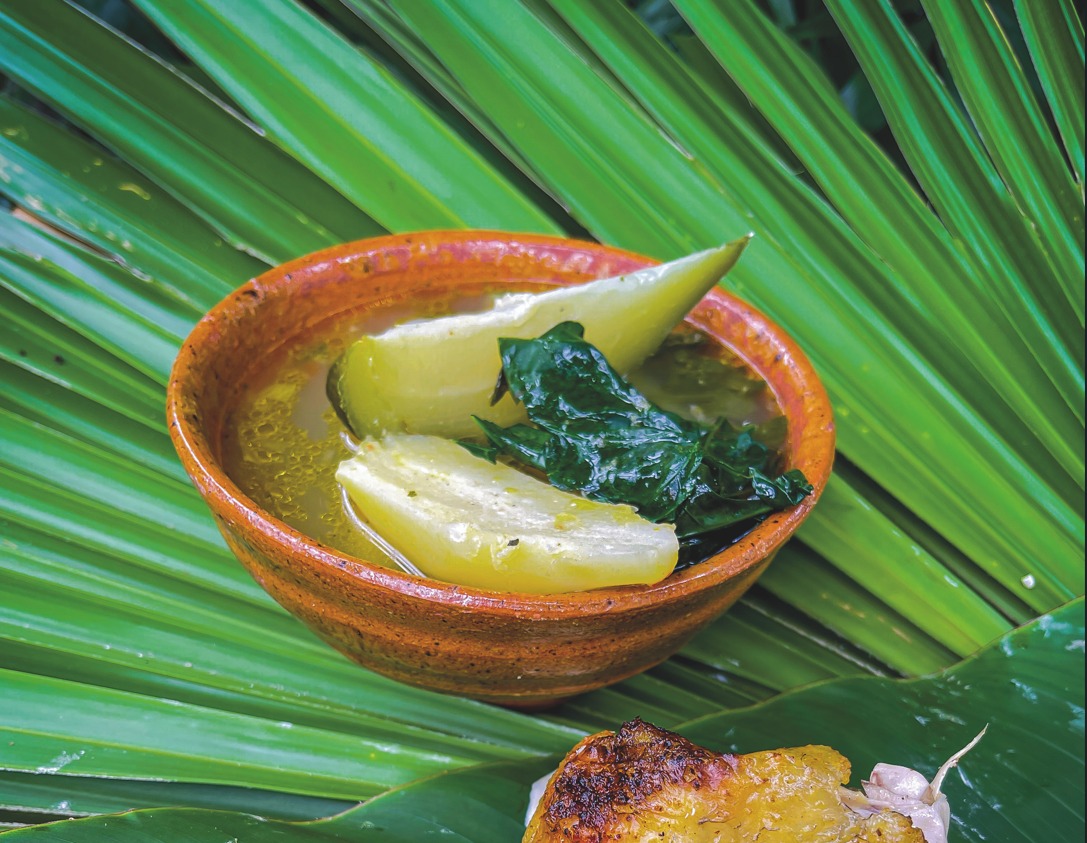
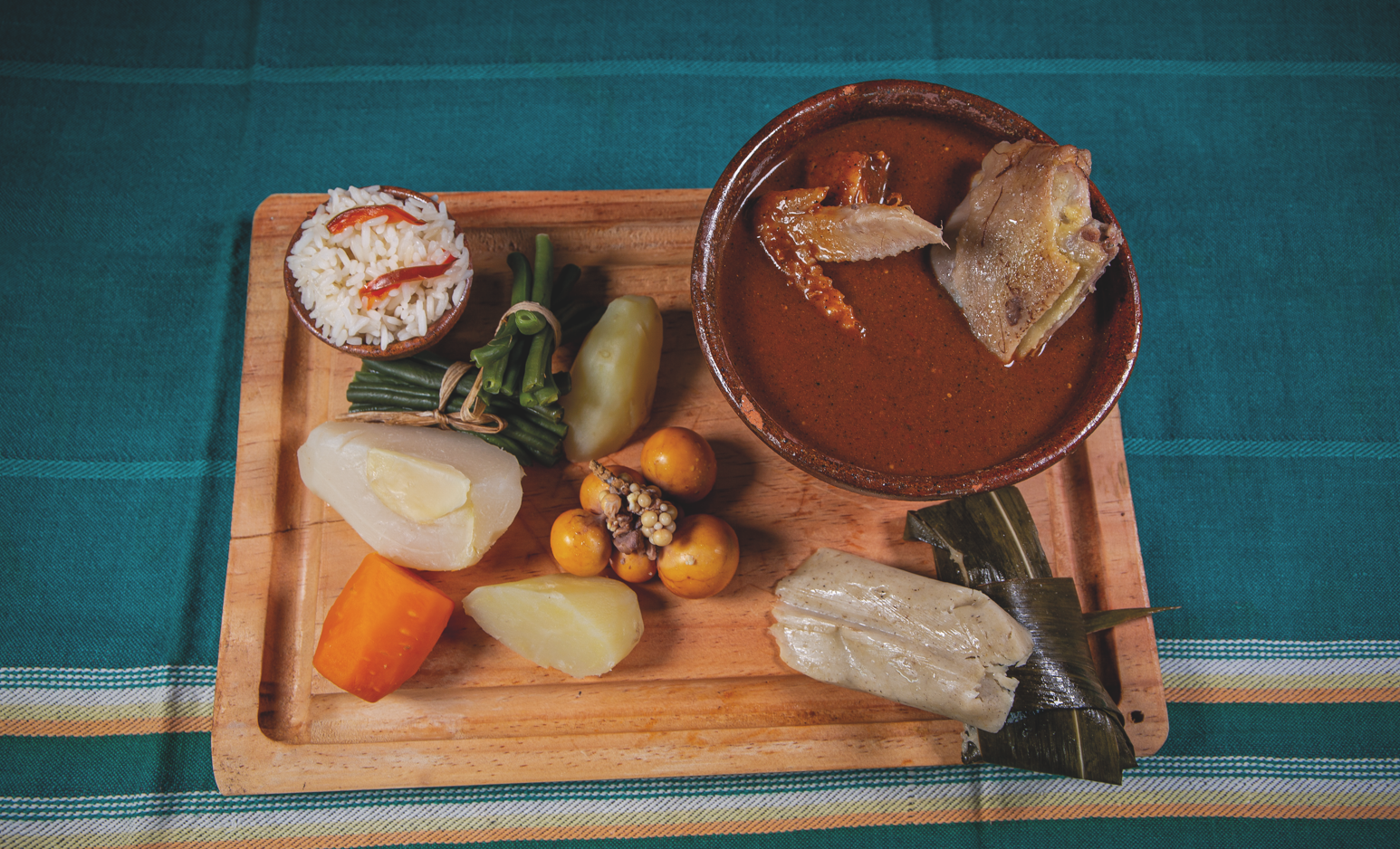
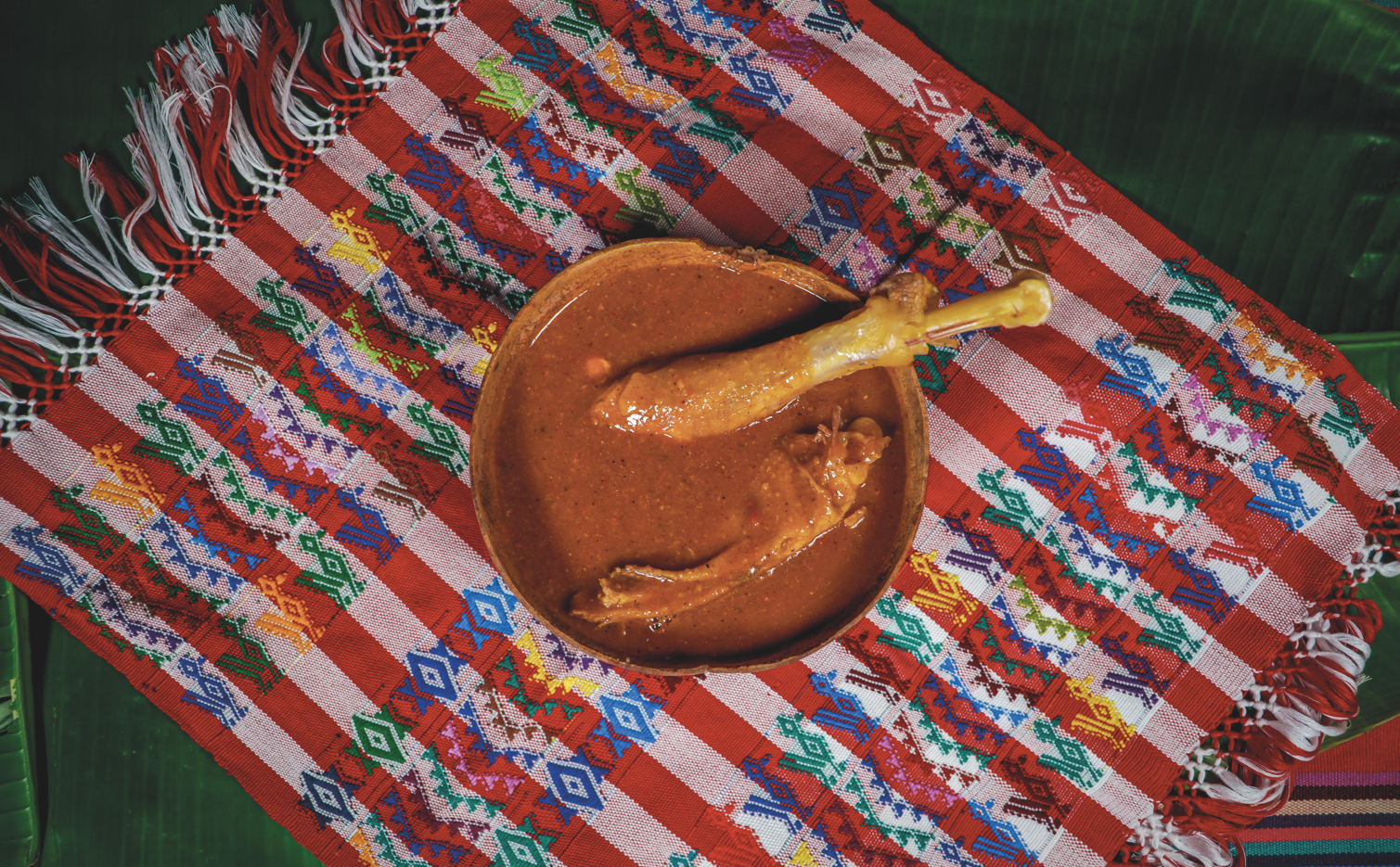
A semicircular bowl or basin where soups, stews or recados are served. In Guatemala they are usually made with clay, but they can also be made out if wood, majolica ceramics, plant bark or other materials.
G

Güisquil

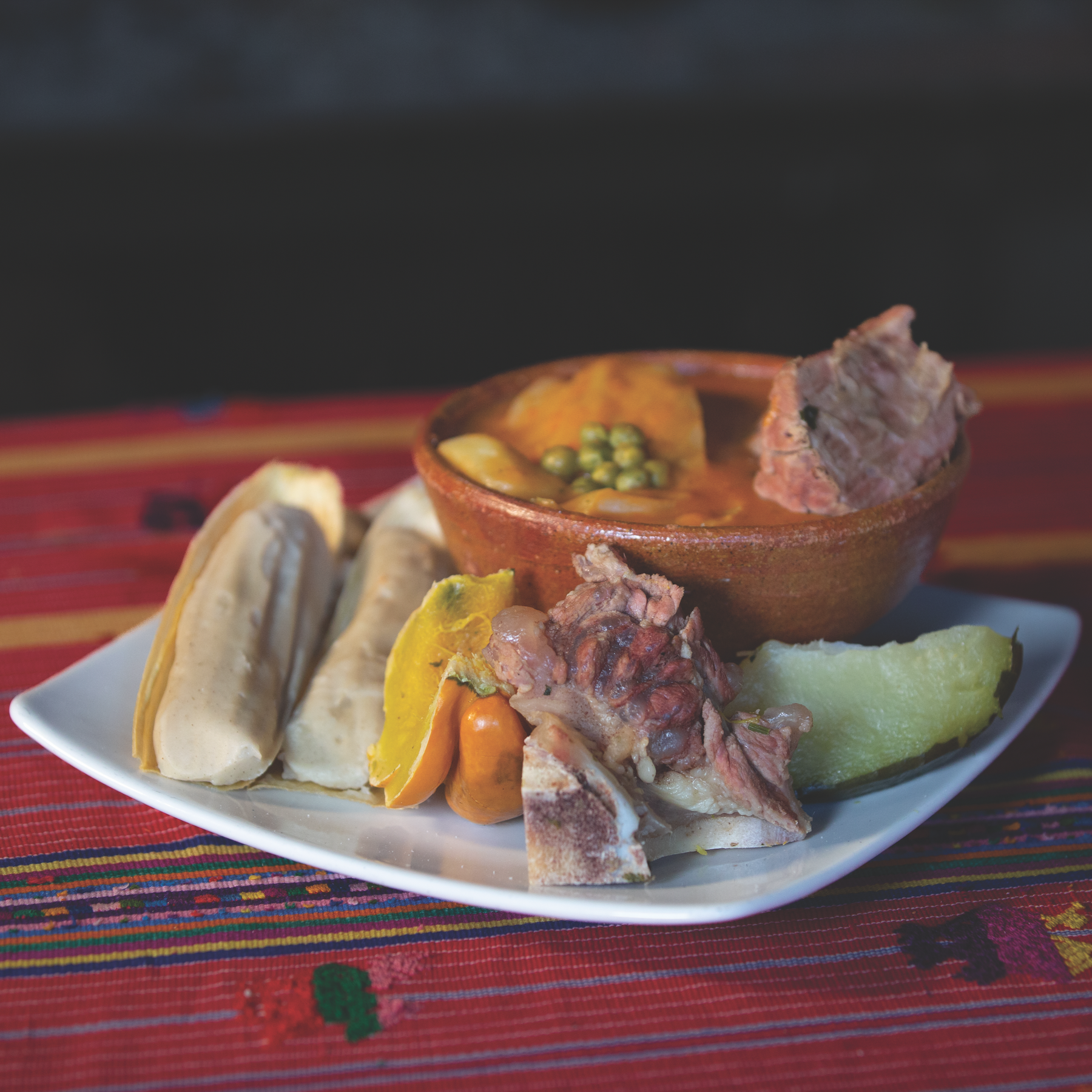
Fruit of Sechium edule, that belongs to the gourd family. It´s used in recados alongside potatoes, carrots and green beans as a complement to the dish.
A squash variety
G

Güicoy

Squash variety widely consumed in Guatemala. When they are tender, it´s known as güicoyito and can be boiled or sauteed. When ripped, it’s called güicoy sazón and can be served with recados, stews or even desserts.
Leaves used to wrap tamales and other foods
H

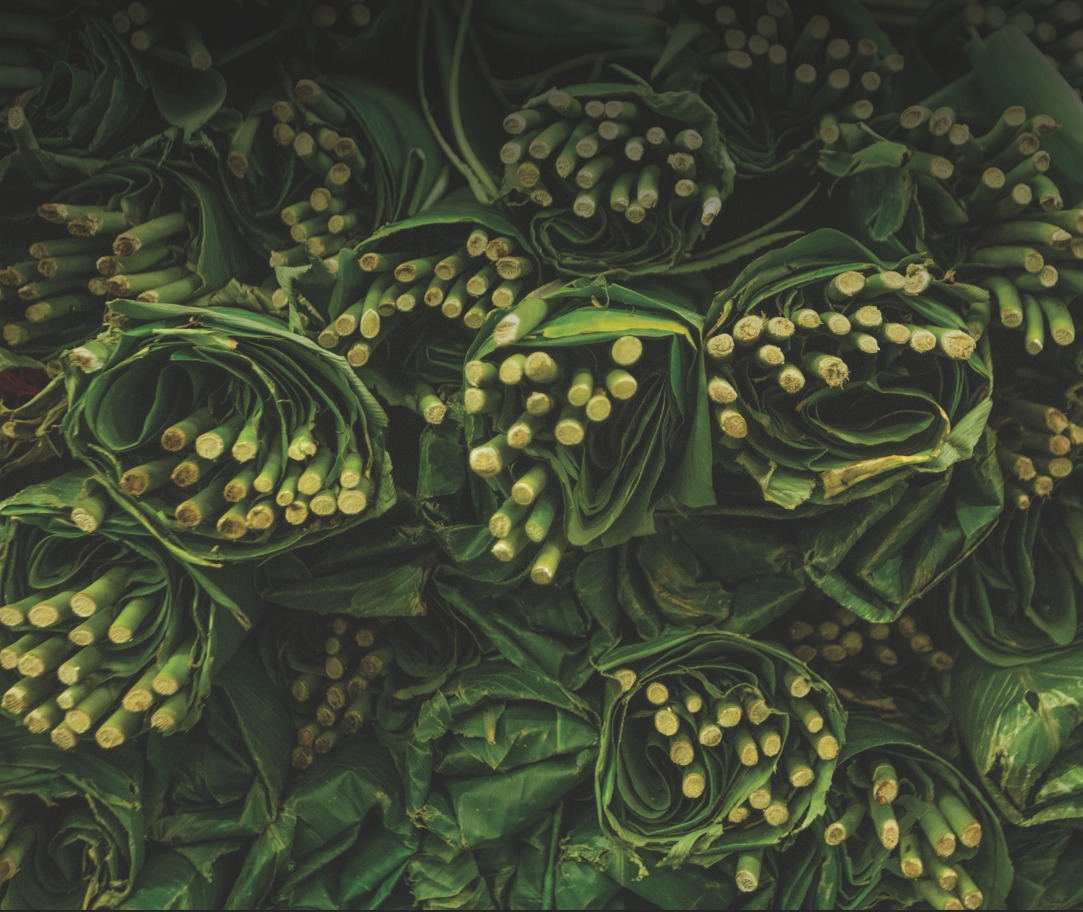
Hojas de maxán

Leaves of the Calathea crotalifera S. Watson plant that grows in warm and humid climates. It is used as a wrapper for tamales and other dishes.
H

Hojas de Santa María

Leaves of Piper auritum used to wrap foods during the cooking process. The use of this technique can be traced back to pre-Hispanic times.
I

Iwaxte

Recado made with a base of ground, roasted ayote (pumpkin) seeds, combined with other ingredients, like peppers.
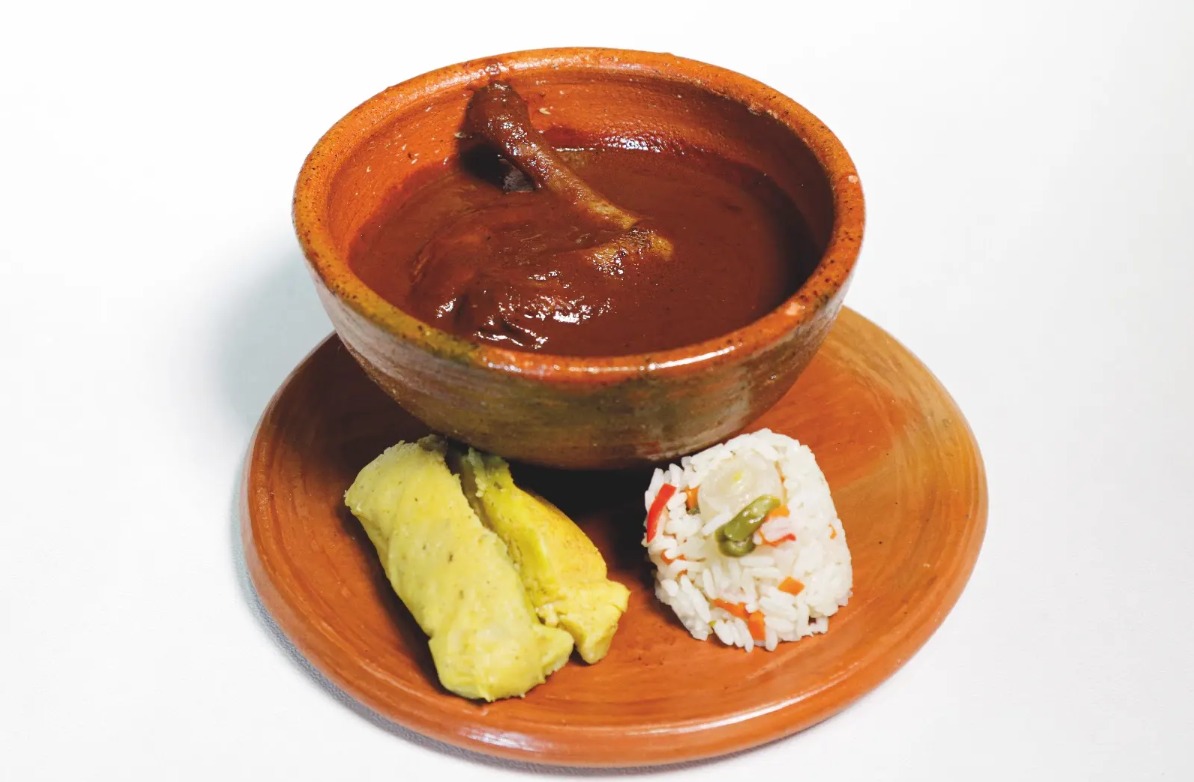
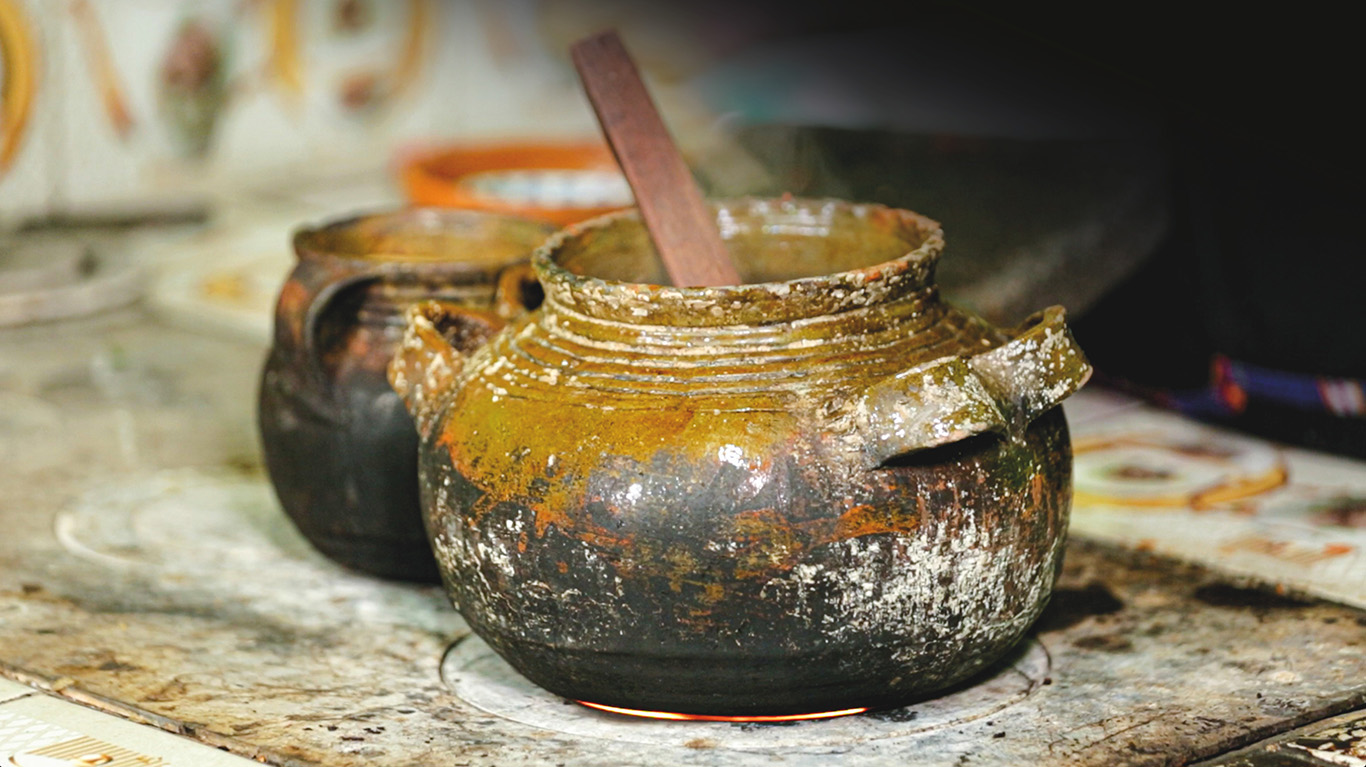
Traditional recado served in a pot
J

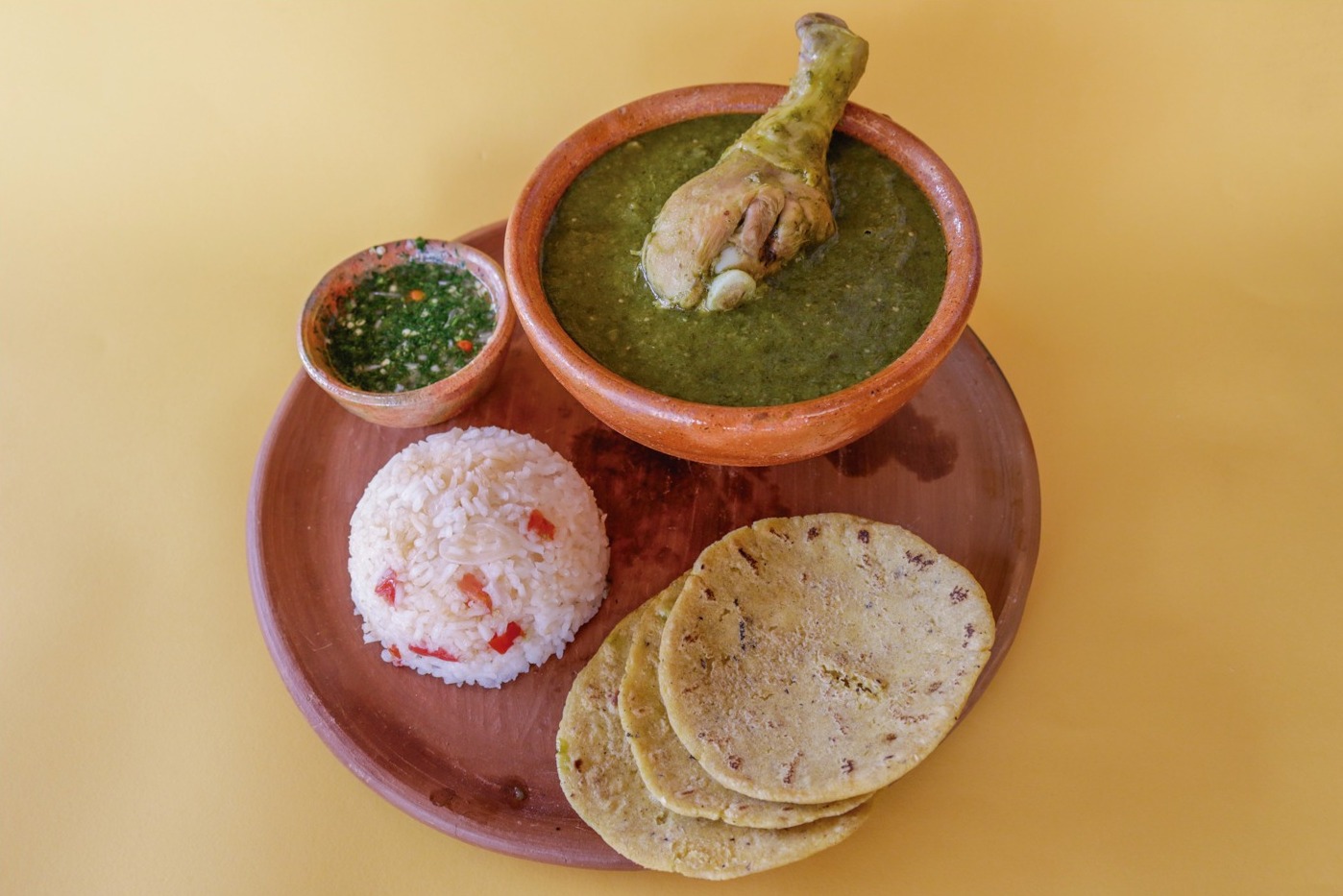
Jocón

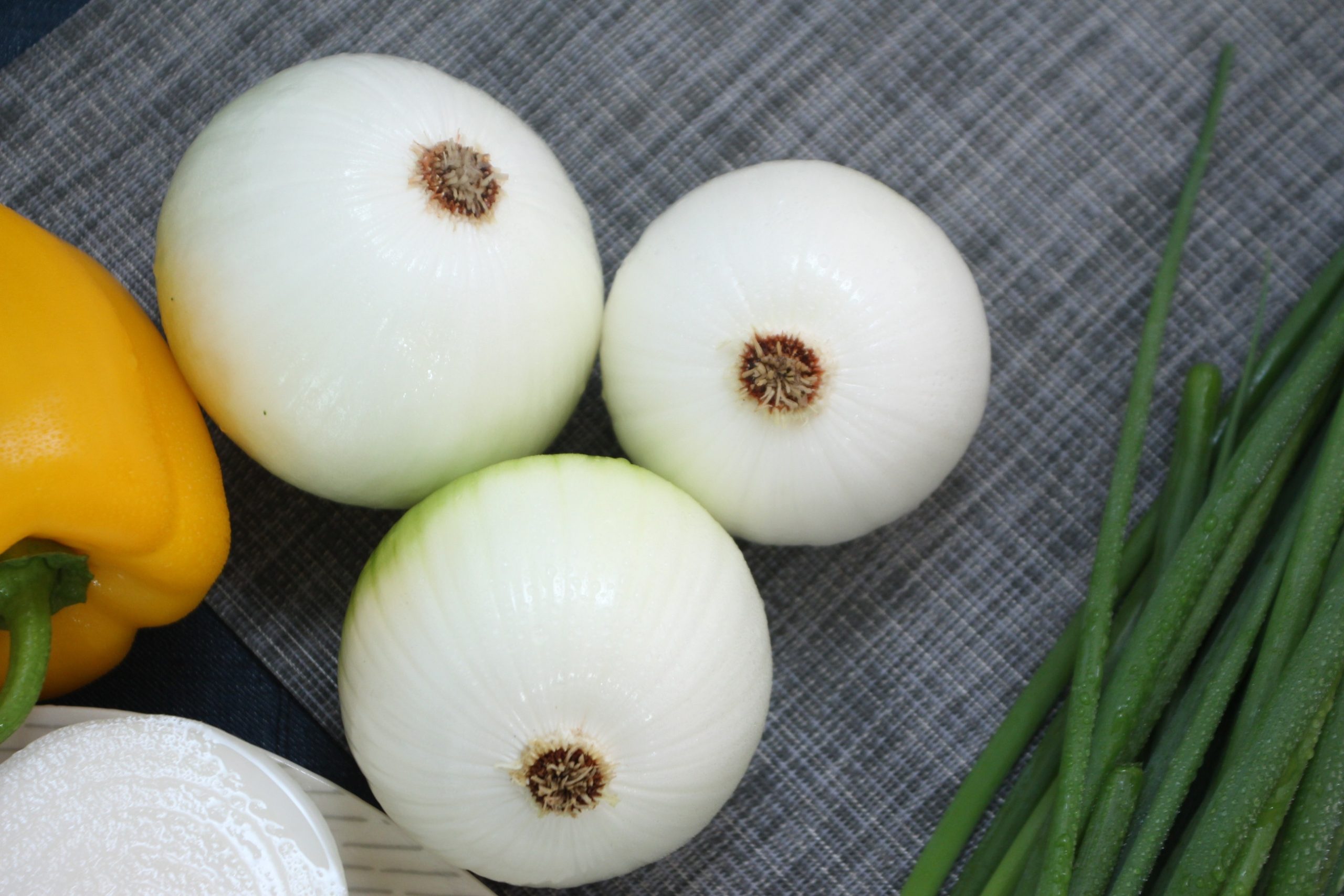
Jocón takes its name from the K'ich'e word jok om, meaning "five greens" or "green recado". It has miltomate, green tomatoes, spring onion, green bell peppers, and cilantro.
Small, green fruit that provides a tart flavor
M

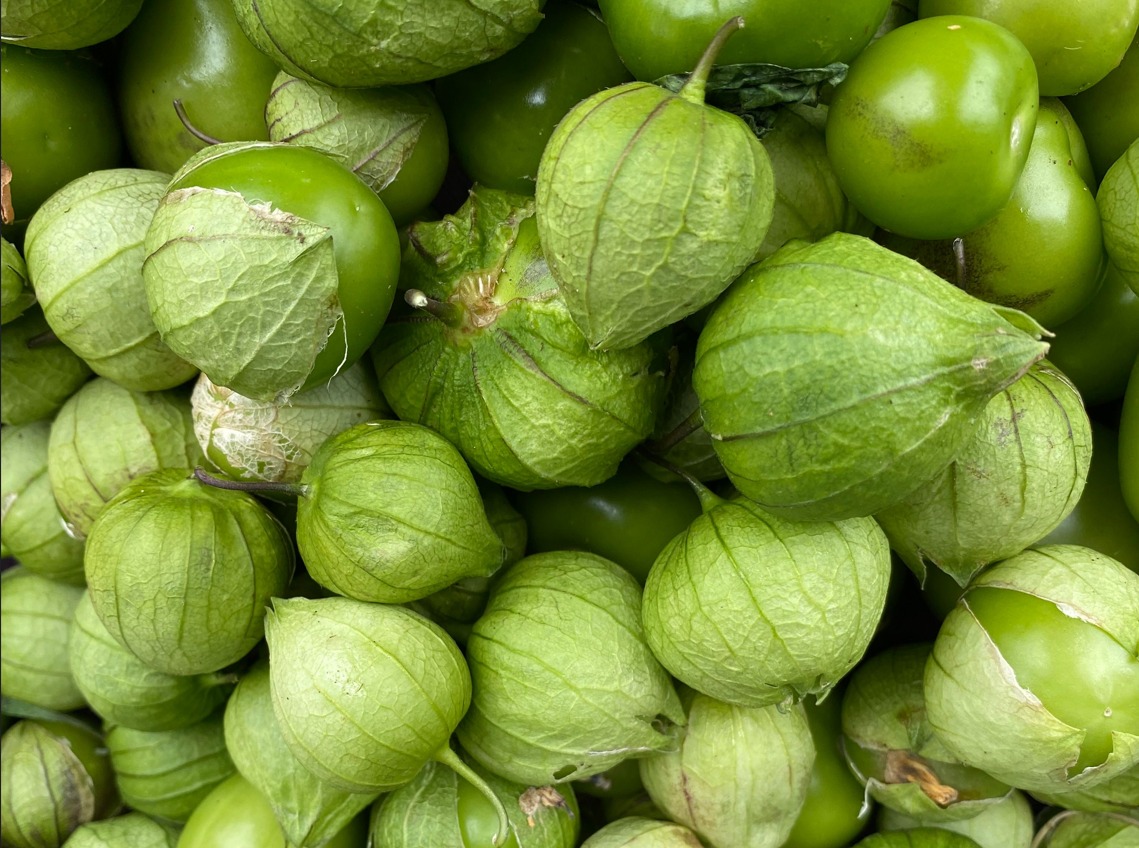
Miltomate

Also know as tomatillo. It’s a small, green fruit from the Solanales order. It complements dishes with a tart flavor.
M

Molcajete

Kitchen utensile similar to a “metate”, used to grind ingredients. There are registers of its used from Pre-Hispanic times. It consists of a container and a grinding piece, both made of stone.
Recado made with a base of spices and peppers
M

Mole

Word that comes from the náhuatl word molli or mulli, which means ground or pulverized. It is made based of peppers and spices to condiment food.
P

Pepita

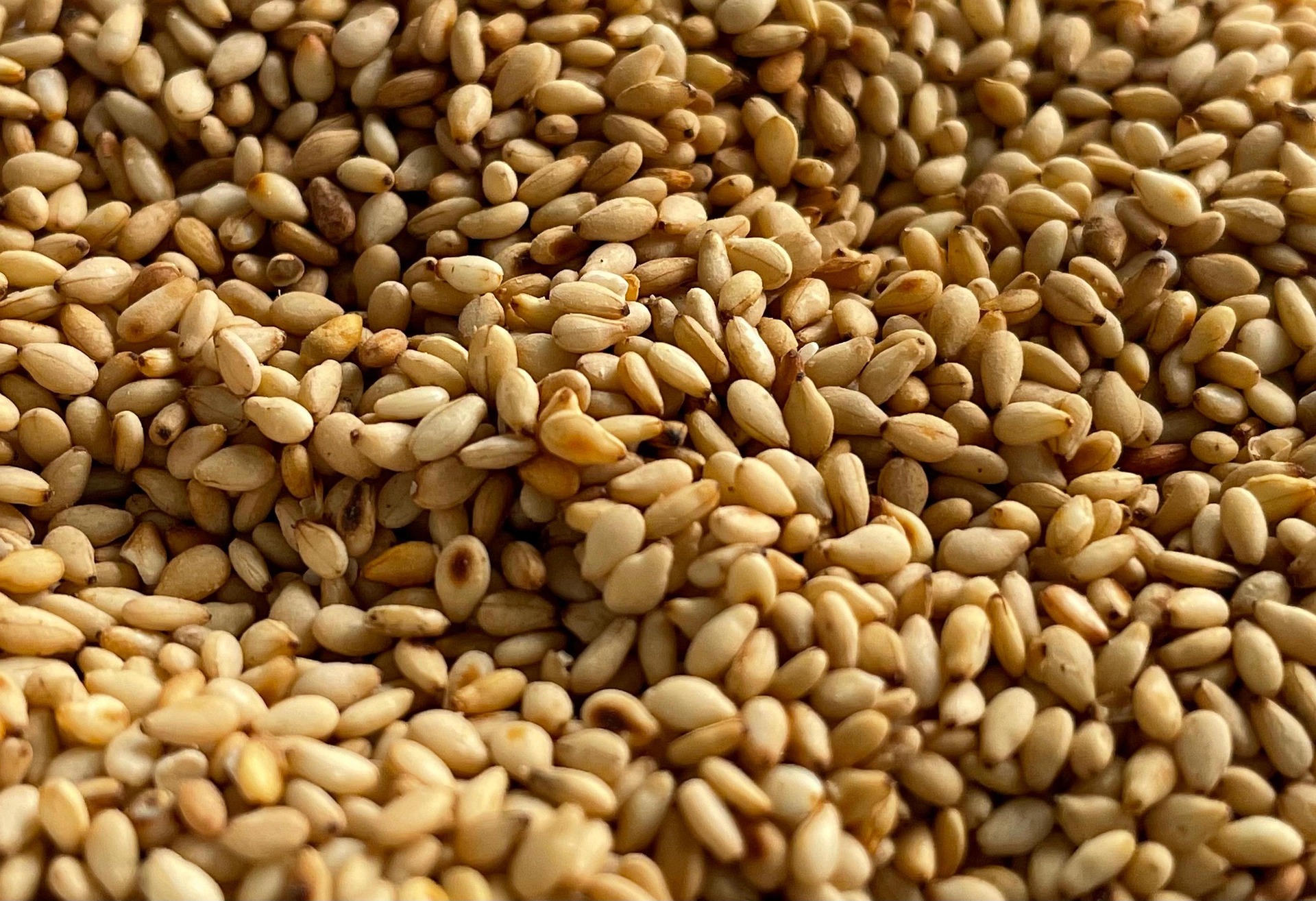
Also known as pepitoria. It is toasted pumpkin seed finely ground that provides a toasted flavor to dishes. It is used as a condiment since pre-Hispanic times.
P

Pulique

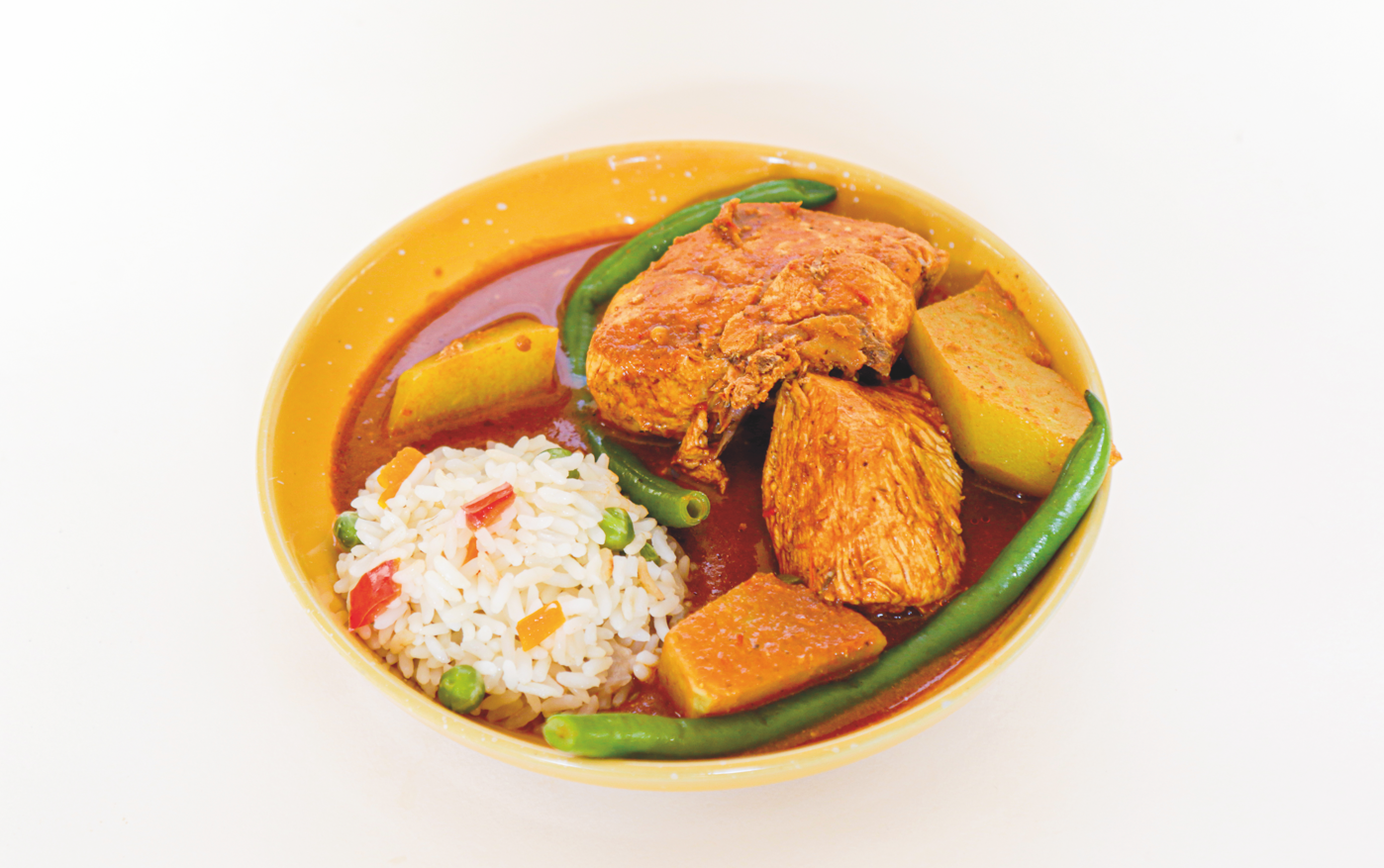
Thick recado with meat and vegetables, it can be prepared with chicken, beef or pork.
Quichom is a dish that refers to the dish made with ancho pepper
Q

Quichom

This name refers to the "food made with ancho pepper (poblano pepper)" or "pepper food of Quetzaltenango". This dish started as a travel food that grandmothers and grandfathers would take with them for long journeys, as it stays fresh longer.
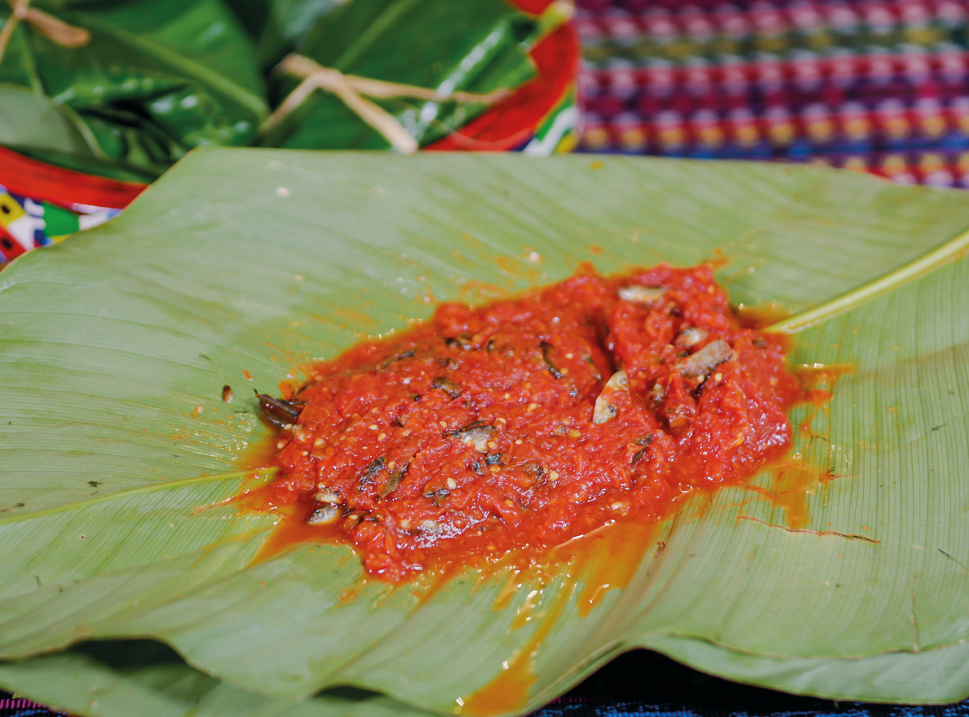
Suban’ik, traditional Guatemalan recado
R

Recado

A mix of raw or cooked ingredients that have been ground and thickened. Meats and vegetables can be added to provide flavor, texture, and color.
Guatemalan traditional dish
R

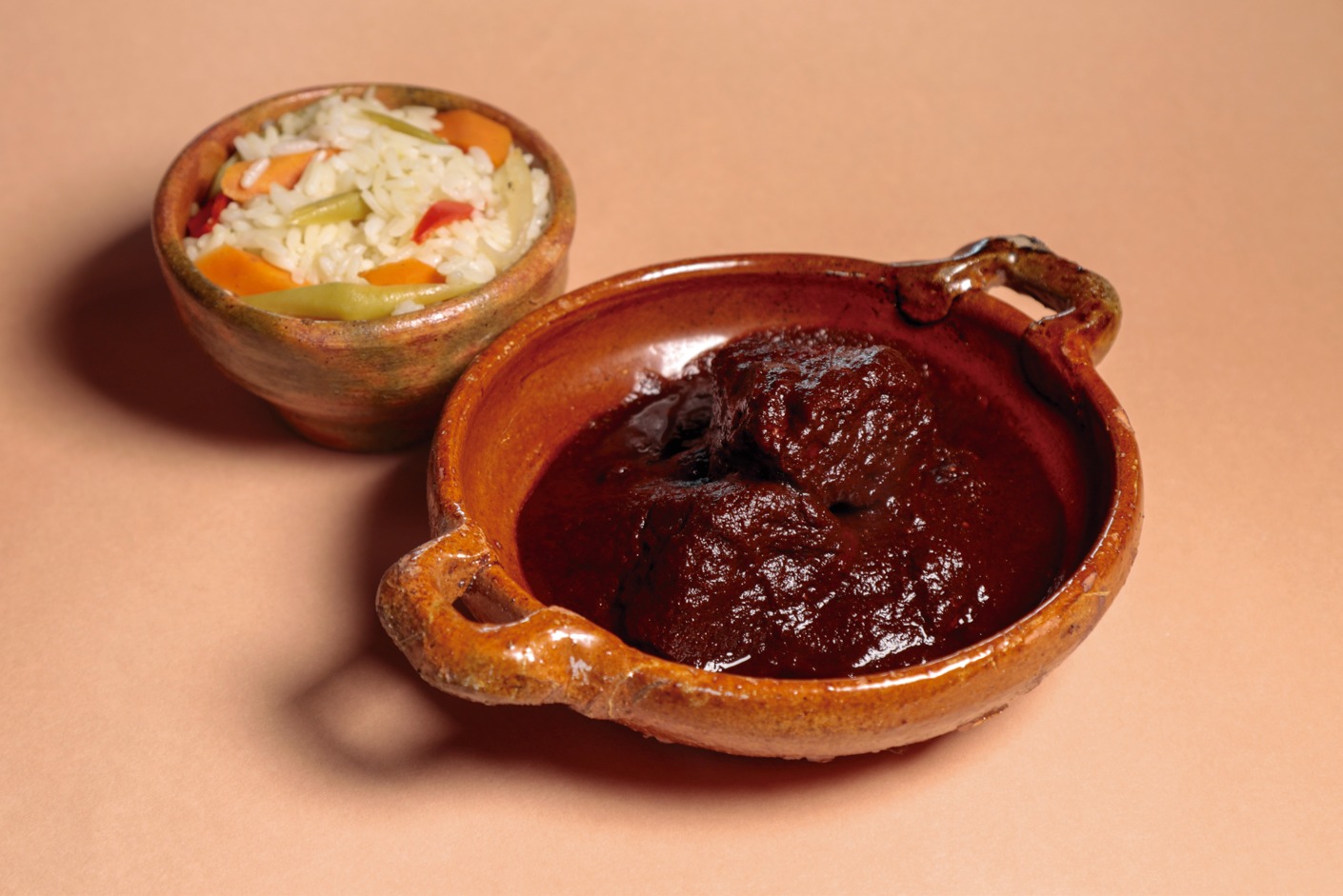
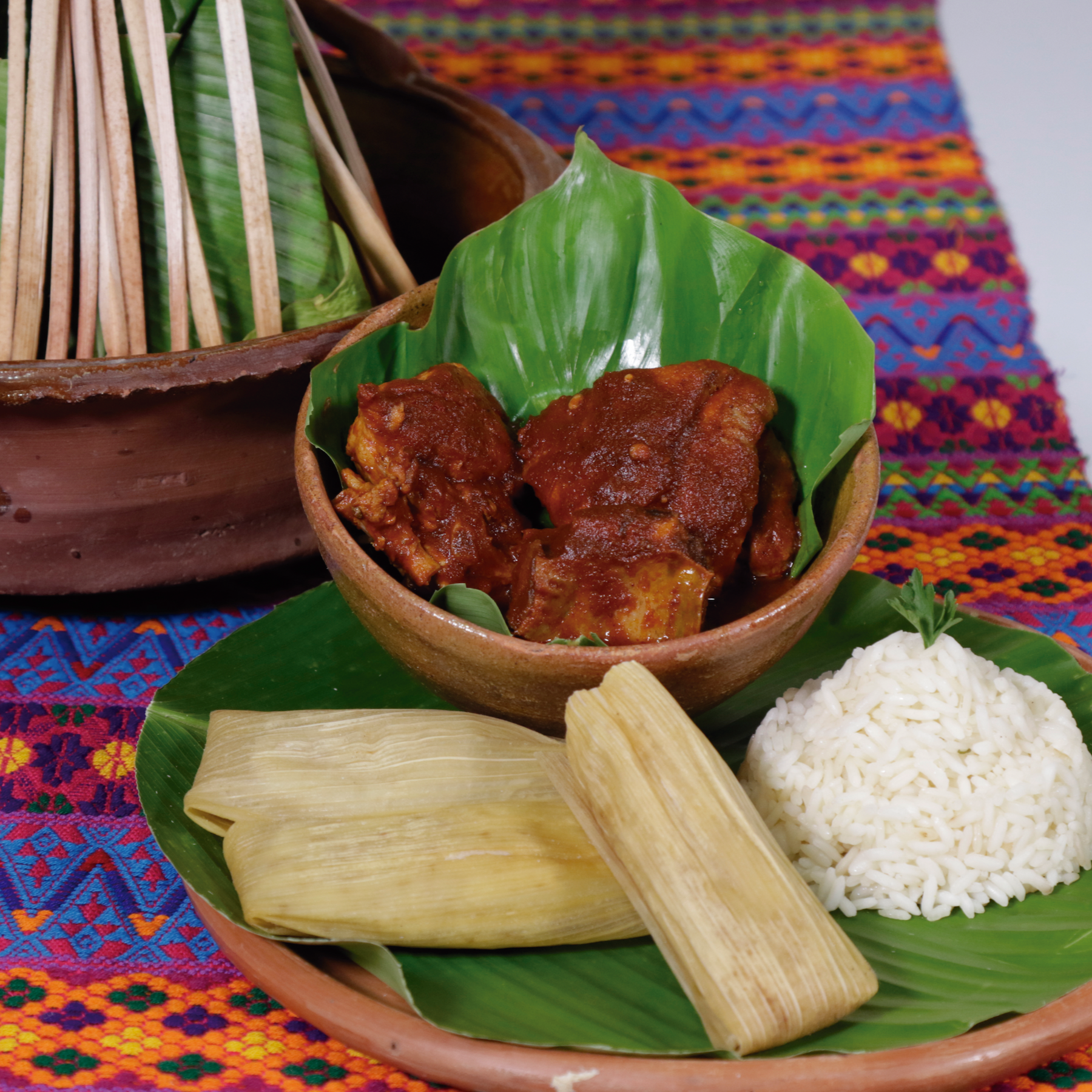
Revolcado

A dish made with pig’s head and red recado, prepared by slow cooking. It is the result of the culinary exchange between native peoples traditions and those brought by the Spanish.
Tamalitos de masa
T

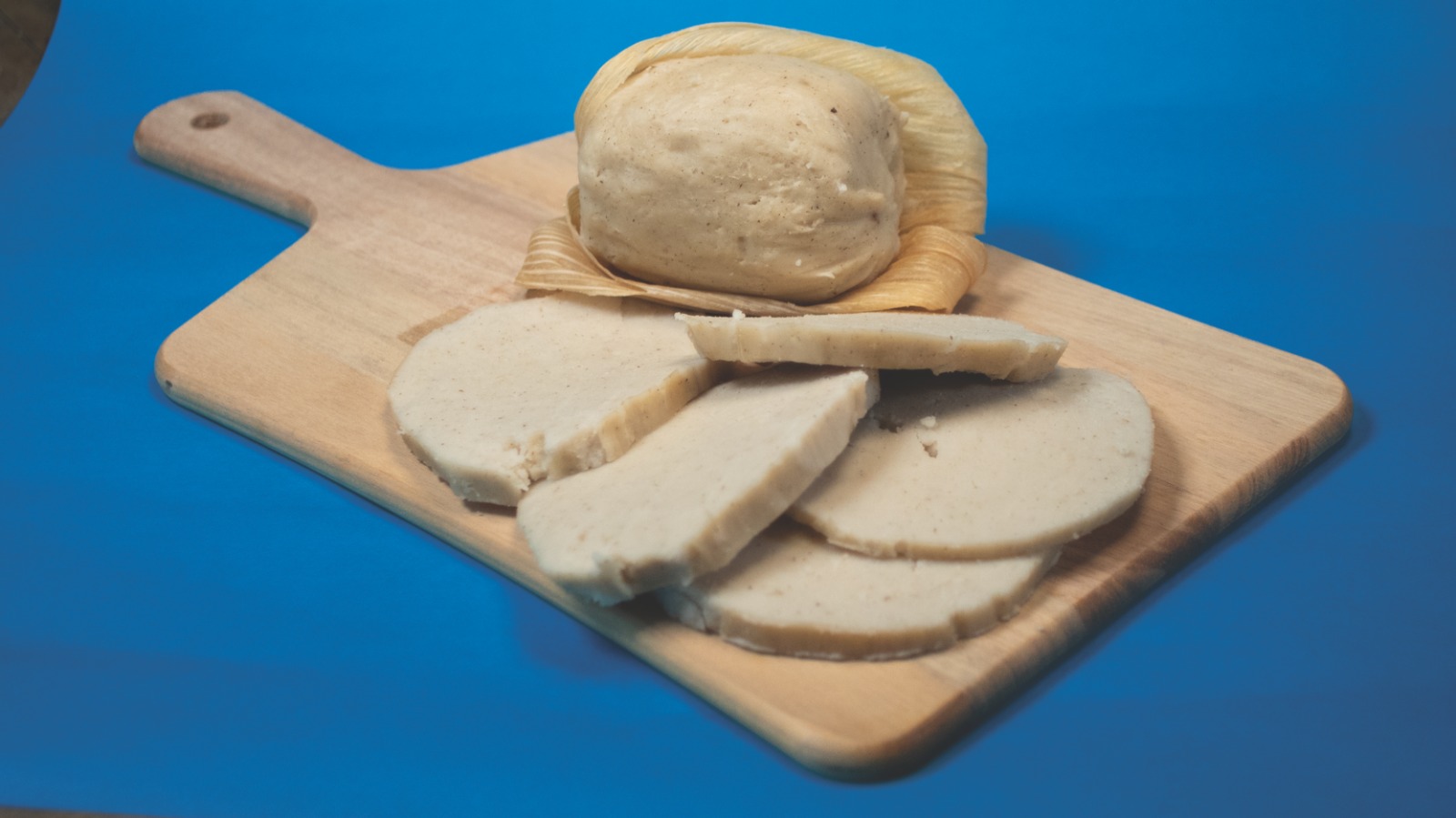
Tamalitos

Small tamales made with simple corn masa, with no filling or sauce, boiled in tusa or maxán leaves and served as a side. They are also known as white tamales or travel tamales.
Peppers toasting over a comal
T

Toast

A technique that consists of roasting an ingredient directly over a fire or a comal (griddle) to achieve a certain degree of toasting or charring.
T

Tusa

Dry corn husk used as a wrapper for tamales and other recipes.
Perpetuation of knowledge

Each word saves a part of our culinary memory

Acknowledging and documenting these terms contributes to putting into value the knowledge, techniques, and ingredients that keep traditional Guatemalan cuisine alive.