
The cultural expression and the communities that keep it alive are identified.
The nomination of a cultural heritage element is a technical, community-based, and institutional process. It requires research, documentation, the participation of the bearer communities, safeguarding measures, and the submission of a strong nomination dossier to UNESCO.
A UNESCO nomination is not simply a matter of proposing a name or a tradition. It involves demonstrating that the cultural expression has cultural value, remains alive within communities, enjoys the active participation of its bearers, and is supported by measures aimed at protecting, transmitting, and strengthening it over time.
In the case of living cultural expressions, such as traditional recados or pilgrimages, communities are at the heart of the process: their knowledge, practices, memories, forms of organizing, and mechanisms for transmitting heritage from one generation to the next.
The cultural expression and the communities that keep it alive are identified.
Testimonies, photographs, videos, research, and historical background materials are collected.
Measures are defined to protect, transmit, and strengthen the heritage.
The nomination dossier is compiled and submitted for the corresponding evaluation process.
These cultural expressions reflect traditional knowledge, practices, community identity, spirituality, collective memory, and the transmission of cultural heritage from one generation to the next.

Recados are a culinary expression deeply rooted in community life. They bring together ingredients, cooking techniques, oral traditions, family practices, and knowledge passed down through generations.

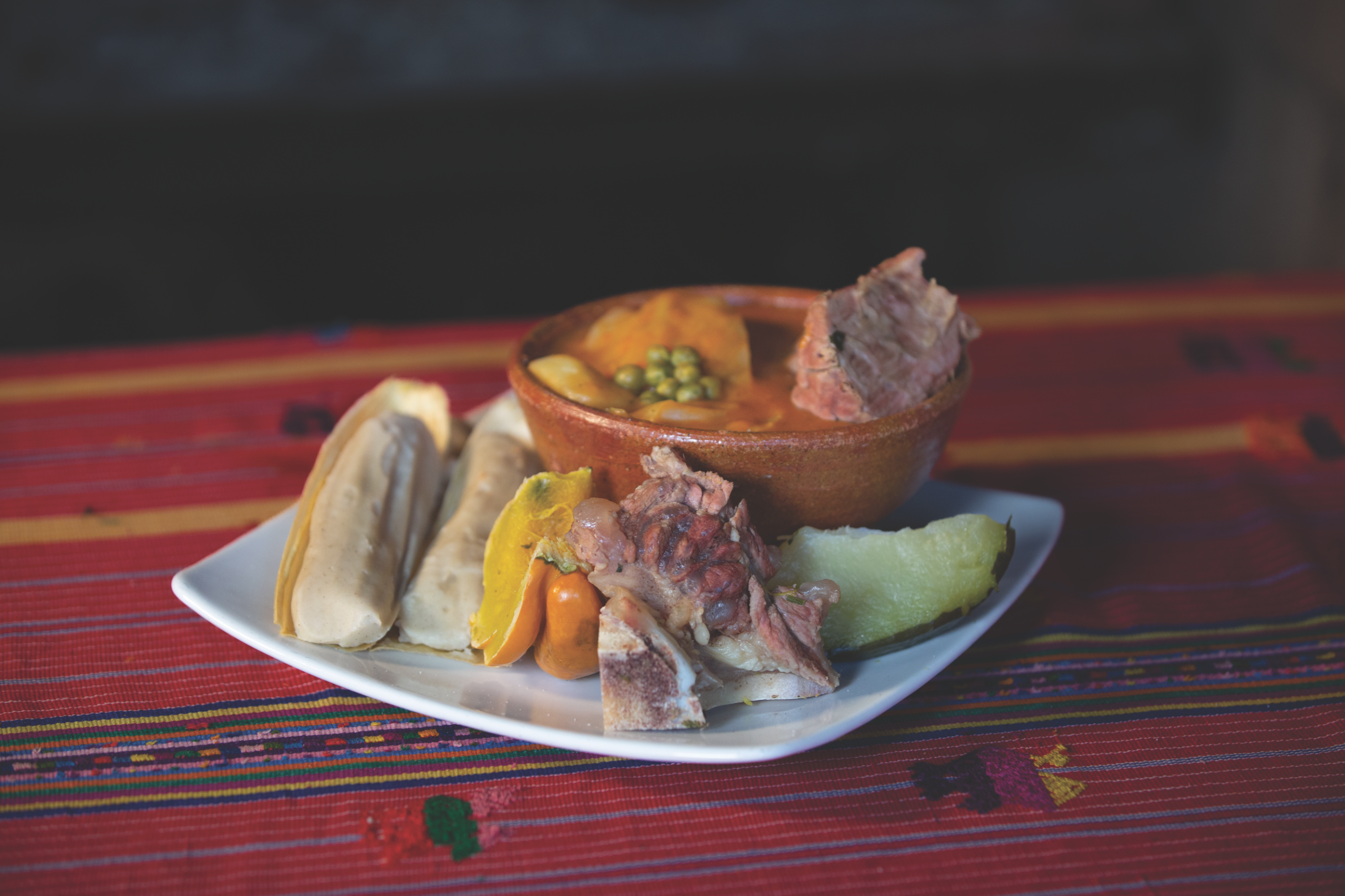
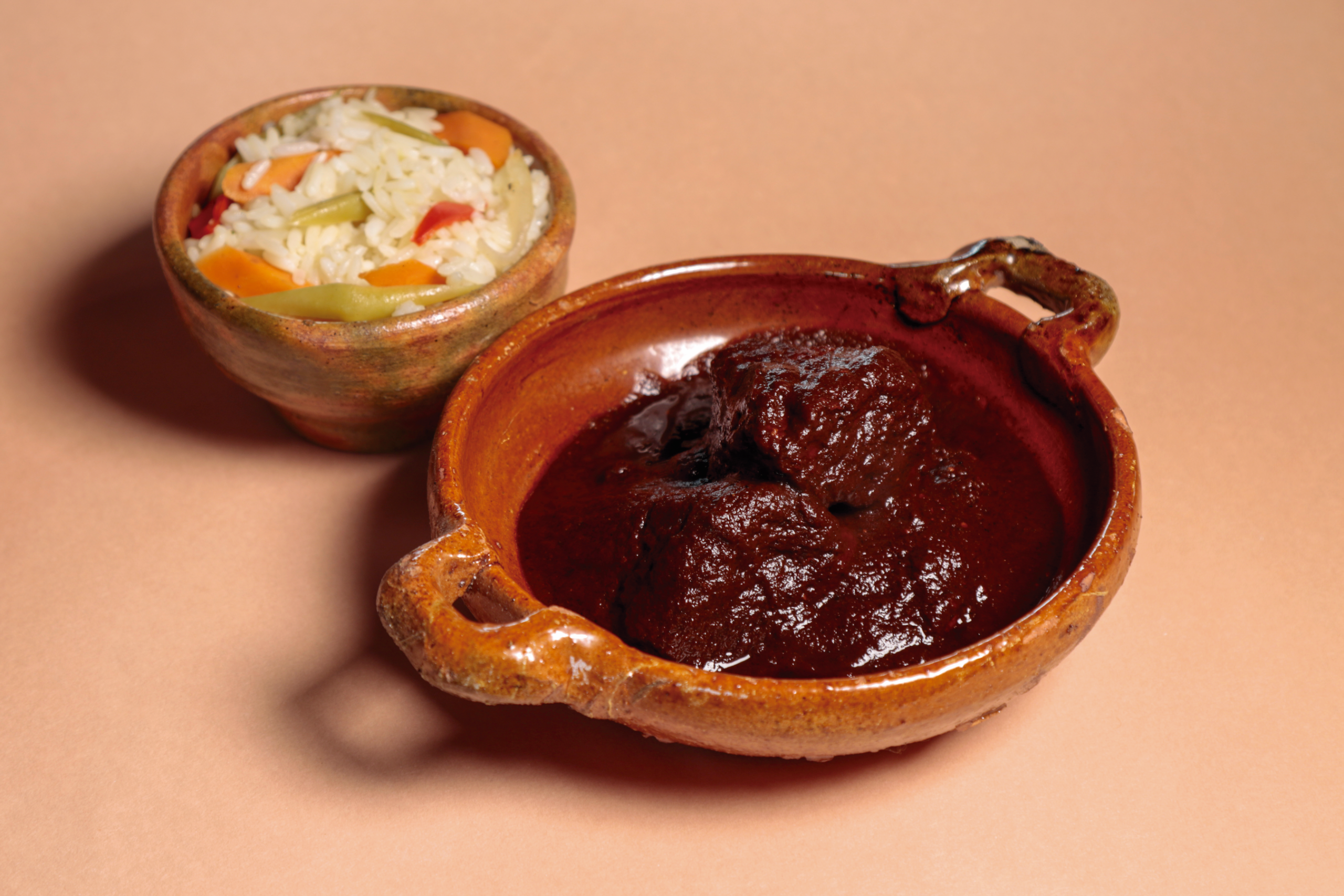
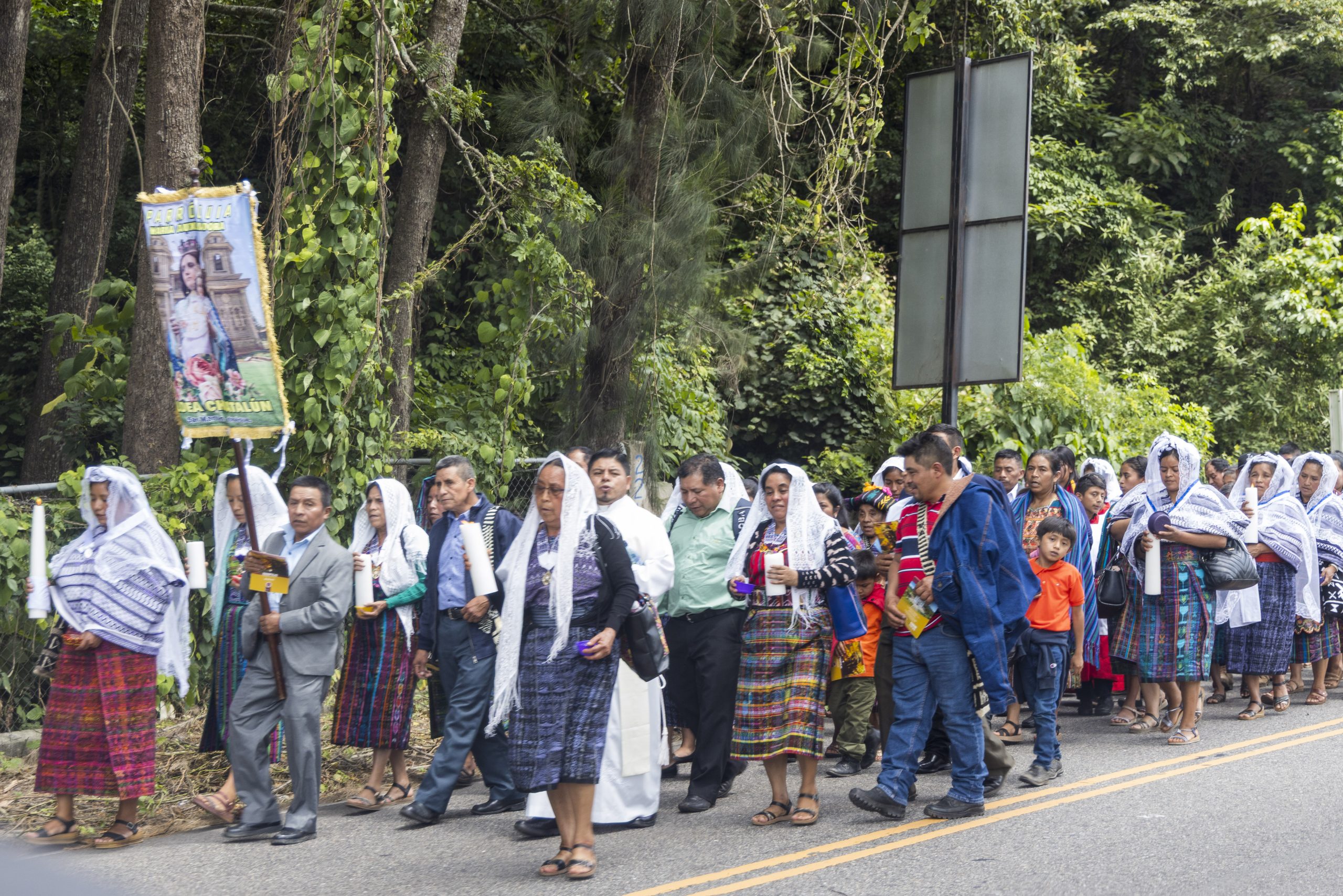
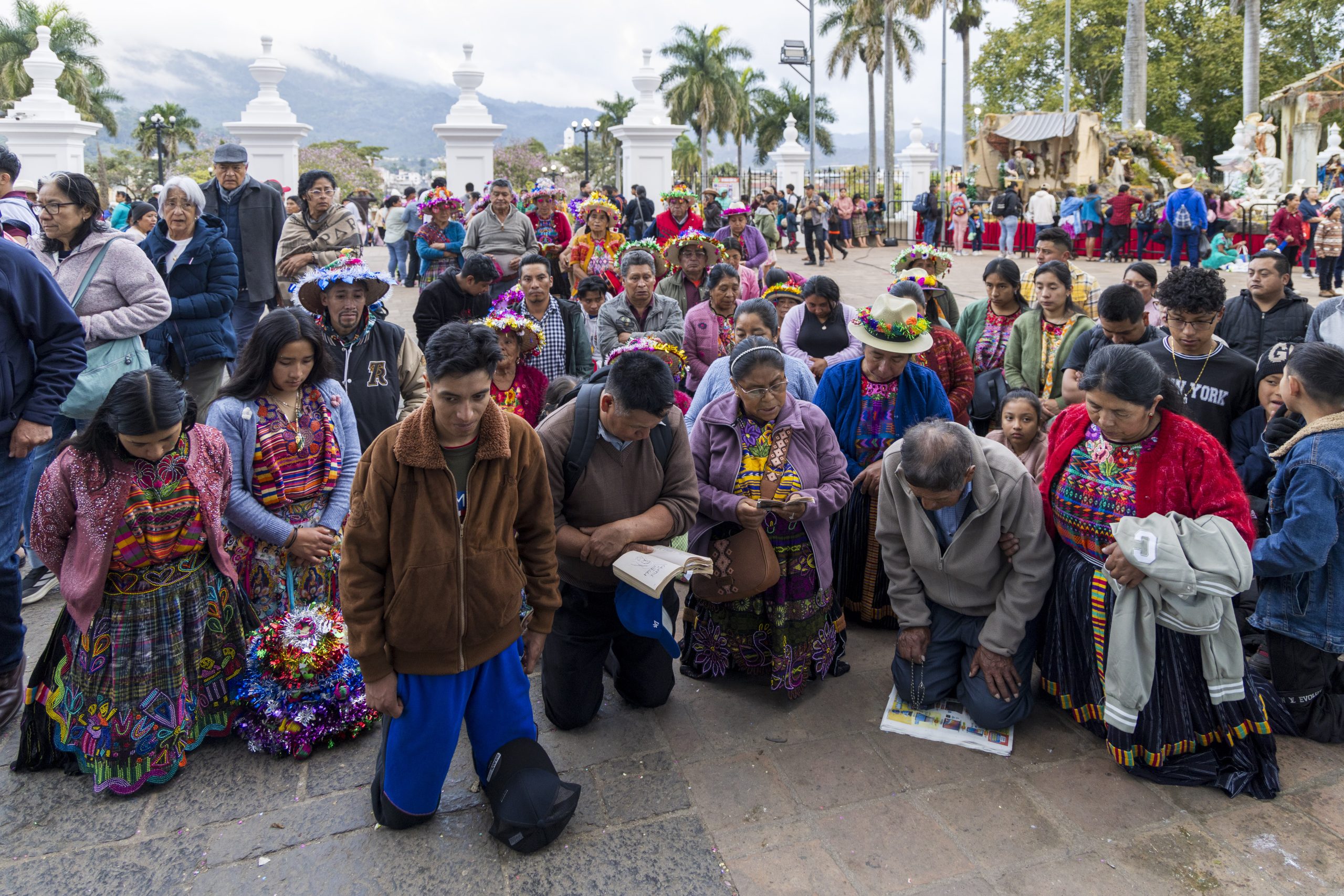
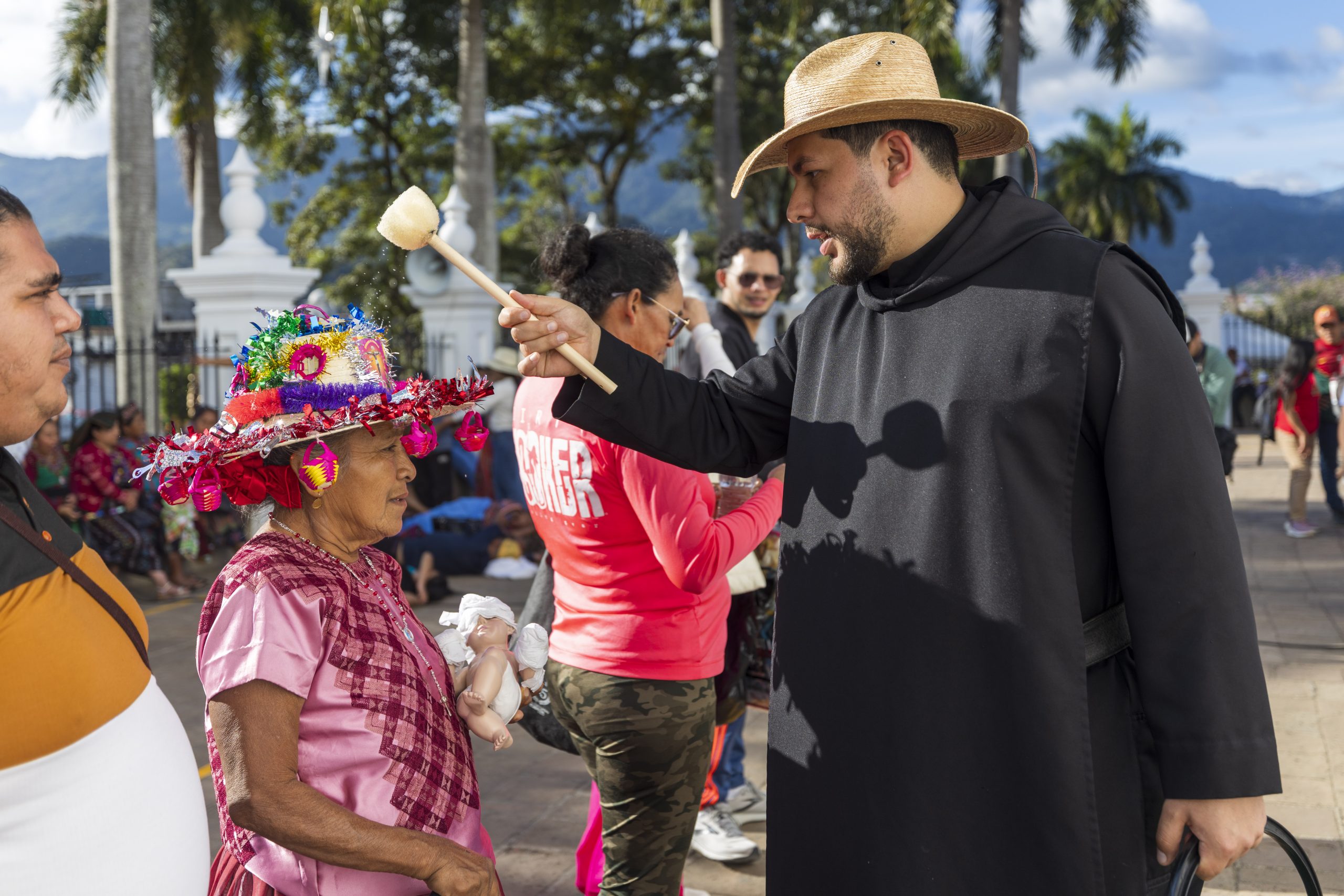
Guatemala’s pilgrimages bring together faith, community, oral tradition, music, craftsmanship, mobility, vows, and collective memory. These living practices connect identity, spirituality, and territory.

The nomination process combines technical research, community participation, institutional coordination, and international evaluation.
The cultural manifestation is identified, along with its bearer communities, history, current relevance, methods of transmission, and the value it represents for collective identity.
Communities take part in defining the element, validating information, identifying risks, and determining the measures necessary for its safeguarding.
Research studies, photographs, videos, testimonies, historical records, institutional background information, and evidence demonstrating that the manifestation forms part of living heritage are collected.
Actions are proposed to ensure the continuity of the heritage, including the transmission of knowledge, education, research, documentation, community strengthening, and respectful promotion.
The nomination dossier is compiled, including the description of the element, its justification, photographs, audiovisual materials, community consent, and safeguarding plan.
The State formally submits the nomination in accordance with the forms, timelines and requirements established for the relevant UNESCO list.
The nomination is examined by the appropriate authorities, who assess the quality of the dossier, compliance with the established criteria, and the consistency of the proposed safeguarding measures.
A successful inscription does not mark the end of the process; rather, it opens a new phase of monitoring, protection, transmission, and ongoing collaboration with the communities.
UNESCO has different mechanisms depending on the type of heritage involved. For this reason, it is important to distinguish between sites, living cultural expressions, and documentary heritage.
This category includes living practices, expressions, knowledge, skills, celebrations, and traditions that are transmitted within communities from generation to generation.
This category includes cultural, natural, or mixed properties of Outstanding Universal Value, such as archaeological sites, historic cities, and natural landscapes.
This program recognizes documentary heritage of significant value, including archives, manuscripts, collections, and historical documents.

